


Are plastic flowmeters compatible with different types of pipes?
As a supplier of plastic flowmeters, I've encountered numerous inquiries from customers regarding the compatibility of our products with various types of pipes. This is a crucial question, as the proper match between flowmeters and pipes ensures accurate flow measurement and long - term system reliability. In this blog, I'll delve into the details of this compatibility issue.
Understanding Plastic Flowmeters
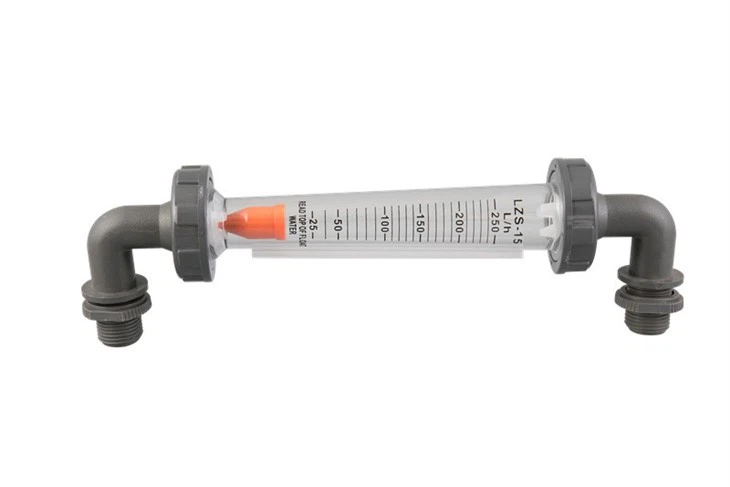
Before discussing compatibility, it's essential to understand the nature of plastic flowmeters. Our company offers a diverse range of plastic flowmeters, such as the Z - 500F (Female) Series Plastic Flowmeters, LZS Series, and Z - 500E (Elbow) Series Plastic Flowmeters. These flowmeters are made from high - quality plastics that possess excellent chemical resistance, lightweight properties, and relatively low cost compared to their metal counterparts.
The plastic materials used in our flowmeters are carefully selected to withstand different operating conditions. For example, some are resistant to corrosive chemicals, while others can handle a wide range of temperatures. However, these properties also play a role in determining their compatibility with different pipes.
Compatibility with Metal Pipes
Metal pipes are widely used in many industrial applications due to their strength and durability. When it comes to the compatibility of plastic flowmeters with metal pipes, several factors need to be considered.
Material Compatibility
One of the primary concerns is the chemical interaction between the plastic flowmeter and the metal pipe. Some metals may react with certain chemicals in the fluid being measured, and if the plastic is not resistant to these reaction by - products, it can lead to degradation of the flowmeter. For instance, in a system where the metal pipe is prone to corrosion, the released metal ions might attack the plastic material of the flowmeter.
However, our plastic flowmeters are designed with high - grade plastics that have good chemical resistance. For example, the plastic used in our LZS Series can resist many common corrosive substances, reducing the risk of chemical - induced damage when connected to metal pipes.
Mechanical Compatibility
Another aspect is the mechanical connection between the plastic flowmeter and the metal pipe. Metal pipes usually have specific thread types and connection standards. Our plastic flowmeters are available with various connection options, including threaded connections that can be easily adapted to different metal pipe systems. For example, the Z - 500F (Female) Series Plastic Flowmeters come with female threads that can be mated with male - threaded metal pipes.
Compatibility with Plastic Pipes
Plastic pipes are also very popular, especially in applications where corrosion resistance is a major requirement. When using plastic flowmeters with plastic pipes, the compatibility situation is generally more favorable, but there are still some points to note.
Material Homogeneity
Using plastic flowmeters with plastic pipes of the same or similar material can be beneficial in terms of chemical compatibility. For example, if both the flowmeter and the pipe are made from PVC (Polyvinyl Chloride), they are likely to have similar chemical resistance properties. This reduces the risk of chemical reactions between the two components.
However, different grades of the same plastic material can have different properties. Our technical team carefully selects the plastic materials for our flowmeters to ensure that they are compatible with a wide range of common plastic pipes. For example, our Z - 500E (Elbow) Series Plastic Flowmeters can be used with many types of plastic pipes made from materials like PE (Polyethylene) and PP (Polypropylene).
Expansion and Contraction
Plastic materials expand and contract with changes in temperature. When the plastic flowmeter and the plastic pipe are exposed to temperature variations, they need to expand and contract at a similar rate to avoid stress on the connection. Our plastic flowmeters are designed to have thermal expansion characteristics that are compatible with common plastic pipes, minimizing the risk of connection failure due to thermal stress.
Compatibility with Composite Pipes
Composite pipes combine the advantages of different materials, such as the strength of metal and the corrosion resistance of plastic. When considering the compatibility of plastic flowmeters with composite pipes, we need to look at both the outer and inner layers of the composite pipe.
Outer Layer Interaction
The outer layer of the composite pipe may be made of a material that could potentially interact with the plastic flowmeter. For example, if the outer layer is a metal that is prone to oxidation, the oxidation products could damage the plastic flowmeter if they come into contact. Our plastic flowmeters are protected by surface treatments and high - quality plastics to resist such potential damage.
Inner Layer Compatibility
The inner layer of the composite pipe is in direct contact with the fluid and the flowmeter. It is crucial to ensure that the plastic flowmeter is compatible with the inner - layer material in terms of chemical and mechanical properties. Our flowmeters are tested to work well with different inner - layer materials commonly used in composite pipes.
Ensuring Compatibility in Practice
To ensure the compatibility of our plastic flowmeters with different types of pipes, we provide detailed technical support to our customers. When a customer inquires about a specific application, our technical team will ask for information about the pipe material, the fluid being measured, the operating temperature and pressure, etc.
Based on this information, we can recommend the most suitable plastic flowmeter model from our product range. We also offer installation guidelines to ensure that the flowmeter is correctly connected to the pipe. For example, proper sealing materials are recommended to prevent leakage and ensure a stable connection.
Conclusion
In conclusion, plastic flowmeters can be compatible with different types of pipes, including metal, plastic, and composite pipes. However, careful consideration of material compatibility, mechanical connection, and environmental factors is necessary. Our company, as a professional plastic flowmeter supplier, is committed to providing high - quality products and excellent technical support to ensure that our customers can achieve accurate flow measurement in their specific pipe systems.

If you are interested in our plastic flowmeters and want to discuss the compatibility with your pipe system or have any other procurement - related questions, please feel free to contact us. We look forward to working with you to find the best flow measurement solutions for your needs.
References
- Industrial Flow Measurement Handbook, by David W. Spitzer
- Plastic Materials in Engineering Applications, by John Murphy


