


Can a solenoid valve be used in a corrosive environment? That's a question I get asked a lot as a solenoid valve supplier. I'm here to break it down for you, sharing insights based on my experience in the industry.
First off, let's understand what a solenoid valve is. In simple terms, it's a valve controlled by an electric current through a solenoid. When the current flows, it creates a magnetic field that moves a plunger, opening or closing the valve. These valves are super handy in all sorts of applications, from controlling the flow of water in a household plumbing system to regulating gases in industrial processes.
Now, let's talk about corrosive environments. These are places where there are substances like acids, alkalis, or salts that can eat away at materials over time. Think of chemical processing plants, coastal areas where saltwater is present, or even some food and beverage production facilities where certain cleaning agents are used. Corrosion can cause all sorts of problems, like leaks, reduced valve performance, and even complete failure.
So, can a solenoid valve handle these tough conditions? The answer is: it depends. There are solenoid valves designed specifically to resist corrosion, and there are those that are not.
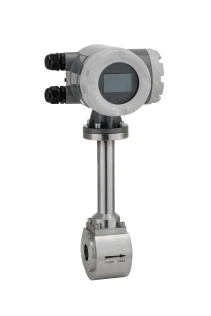

For valves that aren't built for corrosive environments, using them in such conditions is a recipe for disaster. The metal parts of the valve can rust or corrode, which can lead to the valve getting stuck open or closed. This not only affects the valve's ability to control the flow but can also cause safety hazards in some cases.
But don't worry, there are solutions. We offer a range of solenoid valves that are made from corrosion - resistant materials. For example, some valves have bodies made of stainless steel, which is known for its excellent resistance to rust and corrosion. Others use special coatings or polymers that act as a barrier between the valve and the corrosive substances.
One of our popular products is the KIO 1/2in 3/4in 1in 0.3 - 10bar PA Pilot Operated Solenoid Valve. This valve is designed to work well in a variety of pressure ranges and is built with materials that can withstand certain levels of corrosion. It's a great choice for applications where you need reliable flow control in less - than - ideal conditions.
Another option is the Heißer Verkauf Intelligenter Elektro Magnetischer. This valve not only offers intelligent control but also has features that make it suitable for use in environments where corrosion could be a concern. It's been tested and proven to work effectively even when exposed to some corrosive substances.
And then there's the 220v Two - position Pilot Solenoid Valve. With its 220v power supply, it's a common choice for many industrial applications. It's also designed with corrosion - resistant components, ensuring a long service life even in harsh conditions.
When choosing a solenoid valve for a corrosive environment, there are a few things you need to consider. First, you need to know what kind of corrosive substances are present. Different materials react differently to different chemicals. For example, some plastics may be resistant to acids but not to alkalis.
You also need to think about the temperature and pressure of the environment. High temperatures and pressures can accelerate the corrosion process, so you need a valve that can handle these additional stresses.
The flow rate and the frequency of valve operation are also important. If the valve is going to be opened and closed frequently, it needs to be able to withstand the mechanical wear and tear on top of the corrosion.
In some cases, you might need to do some additional maintenance to keep the valve in good working condition. This could include regular inspections, cleaning, and replacing any worn - out parts.
I've seen many customers make the mistake of choosing the wrong valve for their corrosive environment. They end up spending more money in the long run on repairs and replacements. That's why it's so important to do your research and choose the right valve from the start.
If you're still not sure which solenoid valve is right for your application, don't hesitate to reach out. Our team of experts is here to help you make the best choice. We can answer all your questions and provide you with detailed information about our products.
Whether you're setting up a new system or looking to replace an existing valve, we have the right solution for you. Contact us to discuss your specific needs, and let's work together to find the perfect solenoid valve for your corrosive environment.
In conclusion, while not all solenoid valves can be used in a corrosive environment, there are definitely options available. By choosing the right valve made from corrosion - resistant materials and considering all the relevant factors, you can ensure reliable and long - lasting performance in even the toughest conditions.
References:
- Industry standards for solenoid valves in corrosive environments
- Product manuals of the mentioned solenoid valves
- Case studies of solenoid valve applications in corrosive settings


