


Can a solenoid valve be used in a high - humidity environment? Well, that's a question I get asked a lot as a solenoid valve supplier. Let's dig into this topic and find out what's what.
First off, what exactly is a solenoid valve? A solenoid valve is an electromechanically operated valve. The valve's operation is controlled by an electric current through a solenoid. When the current is applied, the solenoid creates a magnetic field that moves a plunger or a diaphragm, which in turn opens or closes the valve. You can learn more about these Operated Solenoid Valve.
Now, high - humidity environments can be a real challenge for a lot of equipment. Humidity refers to the amount of water vapor in the air. In high - humidity areas, there's a whole lot of that water vapor floating around. And this can spell trouble for solenoid valves.
One of the main issues is corrosion. Water vapor in the air can condense on the surface of the solenoid valve. If the valve isn't made of the right materials, this condensed water can start to eat away at the metal parts. For example, if the valve has steel components that aren't properly coated or made of stainless steel, rust can form. Rust not only looks bad but can also affect the performance of the valve. It can make the moving parts stick, which means the valve might not open or close properly.
Another problem is electrical issues. Solenoid valves rely on an electrical current to operate. High humidity can cause moisture to seep into the electrical components of the valve. This can lead to short - circuits, which can damage the solenoid and render the valve useless. Electrical malfunctions are a big deal because they can stop the valve from working altogether, and that can disrupt the entire system where the valve is installed.
But here's the good news: it's not all doom and gloom. There are ways to use solenoid valves in high - humidity environments.
First, material selection is crucial. We offer solenoid valves made from materials that are resistant to corrosion. For instance, valves made from stainless steel are a great choice. Stainless steel can withstand the effects of moisture and won't rust easily. You can check out our Chemisches Abwasser Aus Rostfreiem Stahl Chemisches, which are designed to handle tough conditions, including high humidity.
Secondly, proper sealing is essential. A well - sealed solenoid valve can prevent moisture from getting inside the critical components. We use high - quality seals and gaskets in our valves to ensure that the internal parts are protected from the outside environment. This helps to keep the electrical components dry and the moving parts free from corrosion.
In addition to material and sealing, we also offer solenoid valves with special coatings. These coatings act as an extra layer of protection against moisture. They can repel water and prevent it from coming into contact with the valve's surface. This can significantly extend the lifespan of the valve in a high - humidity environment.

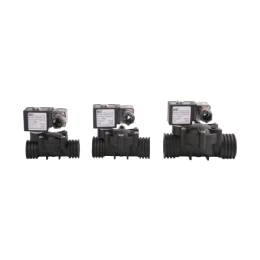
Now, let's talk about some applications where solenoid valves in high - humidity environments are common. One such application is in the food and beverage industry. In food processing plants, there are often areas with high humidity due to steam from cooking and cleaning processes. Solenoid valves are used to control the flow of water, steam, and other fluids in these plants. Our valves can be a great fit for these applications because they are designed to handle the challenges of high humidity.
Another application is in the pharmaceutical industry. Cleanrooms in pharmaceutical manufacturing facilities need to maintain a certain level of humidity. Solenoid valves are used to control the flow of gases and liquids in these environments. Our valves can ensure reliable operation even in the high - humidity conditions of a cleanroom.
We also have customers in the chemical industry who use our solenoid valves in high - humidity areas. Chemical plants often have processes that generate a lot of moisture. Our valves made from corrosion - resistant materials can handle the harsh chemicals and high humidity that are common in these plants. You can learn more about flow measurement in these types of industries with our Elektro Magnetischer Durchfluss Messer.
So, to answer the question, yes, a solenoid valve can be used in a high - humidity environment, but it needs to be the right valve. At our company, we have a wide range of solenoid valves that are designed to meet the challenges of high - humidity conditions. Whether you need a valve for a small - scale application or a large industrial system, we've got you covered.
If you're in the market for a solenoid valve for a high - humidity environment, don't hesitate to reach out. We can help you choose the right valve for your specific needs. Our team of experts is always ready to answer your questions and provide you with the best solutions. Contact us today to start the conversation about your solenoid valve requirements.
References
- "Industrial Valves Handbook" by A. K. Sarma
- "Corrosion and Protection of Metals in Humid Environments" by John Doe
- "Electrical Systems in Harsh Environments" by Jane Smith


