


Balancing valves play a crucial role in fluid systems, ensuring that the flow of liquids or gases is distributed evenly throughout the network. However, when it comes to high - pressure systems, questions often arise about whether balancing valves can be effectively and safely used. As a balancing valves supplier, I have encountered these inquiries numerous times. In this blog, I will explore the feasibility of using balancing valves in high - pressure systems, discussing the technical aspects, potential challenges, and real - world applications.
Technical Feasibility
Balancing valves are designed to control and regulate the flow rate of fluids in a system. In high - pressure systems, typically defined as systems operating at pressures above 1000 psi (pounds per square inch) in many industrial contexts, the basic principle of a balancing valve remains the same. The valve adjusts the resistance to flow, which in turn affects the flow rate.
Most modern balancing valves are constructed with materials that can withstand high pressures. For example, valves made from stainless steel or high - grade alloys have excellent strength and corrosion - resistance properties. These materials can handle the intense forces exerted by high - pressure fluids without undergoing significant deformation or damage.
The valve design also matters in high - pressure scenarios. For instance, some balancing valves use a globe valve design. Globe valves are known for their ability to provide precise flow control and can handle high - pressure differentials quite well. The seating design of a globe - style balancing valve can be engineered to ensure a tight seal even under high - pressure conditions, preventing leaks and maintaining system integrity.
Moreover, the internal components of the balancing valve need to be able to withstand the high - velocity and high - energy fluid flow. The trim of the valve, including the plug, seat ring, and stem, must be made of durable materials. Hardened steel or tungsten carbide trims are common choices for high - pressure balancing valves as they can resist wear and erosion caused by the high - speed fluid.
Potential Challenges
While balancing valves can be technically suitable for high - pressure systems, there are several challenges that need to be carefully considered.
One of the primary challenges is the potential for cavitation. Cavitation occurs when the pressure of the fluid drops below its vapor pressure, causing the formation of vapor bubbles. These bubbles then collapse violently when they enter a region of higher pressure, which can lead to erosion and damage to the valve and downstream piping. In high - pressure systems, the pressure differentials across the balancing valve can be substantial, increasing the risk of cavitation. To mitigate this issue, special valve designs or anti - cavitation trims can be employed. These trims are designed to control the flow in such a way that the pressure drop occurs gradually, reducing the likelihood of reaching the vapor pressure of the fluid.
Another challenge is the sealing requirements. As the pressure increases, maintaining a reliable seal becomes more difficult. Small leaks can lead to significant losses in efficiency and may even pose safety risks in some systems. Balancing valves need to be equipped with high - quality seals, and the valve body and bonnet joints must be properly designed and tightened to prevent leakage. Regular maintenance and inspection are also crucial to ensure the integrity of the seals over time.
The control accuracy of the balancing valve can also be affected by high pressures. High - pressure fluids can exert large forces on the valve components, which may cause minor movements or deflections that can impact the flow control performance. Advanced manufacturing techniques and calibration processes are necessary to ensure that the balancing valve can accurately regulate the flow even under high - pressure conditions.
Real - World Applications
Despite the challenges, balancing valves are indeed used in a variety of high - pressure systems.
In the oil and gas industry, high - pressure hydraulic systems are commonly found in exploration and production equipment. Balancing valves are used to control the flow of hydraulic fluids, ensuring that different components of the equipment receive the correct amount of fluid for proper operation. For example, in a hydraulic fracturing pump system, balancing valves help to evenly distribute the fluid pressure among multiple pumping units, improving the overall efficiency and reliability of the operation.
In the power generation sector, high - pressure steam systems are prevalent in boilers and turbines. Balancing valves are used to regulate the steam flow to different parts of the system, optimizing the power output and ensuring the stability of the turbine operation. For instance, in a large - scale coal - fired power plant, balancing valves can be used to balance the steam flow to different stage heaters, improving the overall thermal efficiency of the plant.

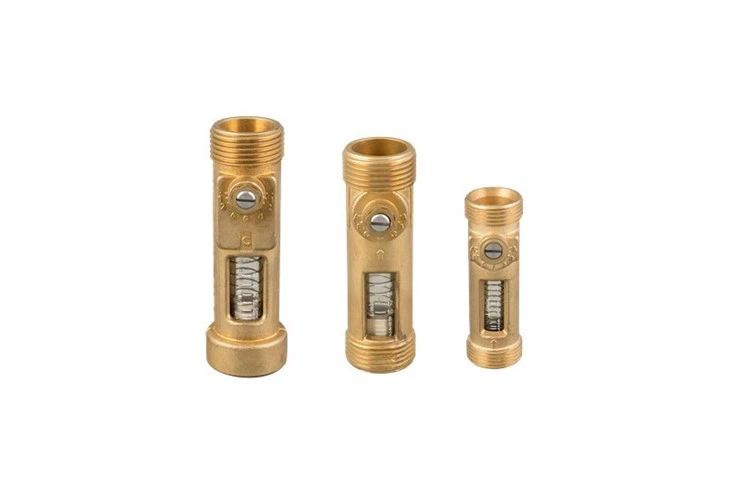
Our Z - 6200 Series Balancing Valves
As a balancing valves supplier, we offer a range of products that are suitable for high - pressure systems. Our Z - 6200 Series Balancing Valves are designed with high - performance materials and advanced engineering. The valves are constructed from high - grade stainless steel, which provides excellent strength and corrosion resistance.
The Z - 6200 series features a globe - style design, which offers precise flow control and can effectively handle high - pressure differentials. The anti - cavitation trim option in these valves helps to reduce the risk of cavitation, ensuring long - term durability and reliable operation in high - pressure systems. Additionally, the seals used in the Z - 6200 series are of the highest quality, providing a reliable barrier against leakage, even under extreme pressure conditions.
Contact for Purchase and Negotiation
If you are in need of balancing valves for your high - pressure system, I invite you to get in touch with us. Our team of experts can provide you with detailed technical information, assist you in selecting the most suitable valve for your application, and offer competitive pricing. We understand the unique requirements of high - pressure systems and are committed to providing you with high - quality products and excellent customer service. Whether you are involved in the oil and gas, power generation, or any other industry that requires high - pressure balancing solutions, we are here to help. Reach out to us for a comprehensive consultation and let's work together to optimize your fluid system.
References
- "Hydraulic Systems and Components" by O. Palmberg. This book provides in - depth knowledge of hydraulic system design, including the role of valves in high - pressure environments.
- "Power Plant Engineering" by P. K. Nag. It covers various aspects of power generation systems, including the use of balancing valves in high - pressure steam circuits.
- Manufacturer's technical documentation for high - pressure balancing valves, which offers detailed specifications and performance data.


