


Can balancing valves be used in systems with variable flow rates? This is a question that often arises in the field of fluid control systems, and as a leading supplier of balancing valves, I am excited to delve into this topic in detail.
Understanding Balancing Valves
Balancing valves are essential components in fluid systems, designed to regulate the flow of liquids or gases to ensure that each part of the system receives the appropriate amount of fluid. They work by adjusting the resistance in the pipeline, thereby controlling the flow rate. Traditionally, balancing valves have been used in systems with relatively constant flow rates, such as in heating and cooling systems of large buildings. These valves help to maintain a balanced distribution of fluid, improving energy efficiency and system performance.
The Z - 6200 Series Balancing Valves are a prime example of high - quality balancing valves. They are engineered with precision to provide accurate flow control and are suitable for a wide range of applications.
Variable Flow Rate Systems
Variable flow rate systems have become increasingly popular in recent years, especially in modern buildings where energy efficiency is a top priority. In these systems, the flow rate can change dynamically based on the demand. For example, in a variable refrigerant flow (VRF) air - conditioning system, the amount of refrigerant flowing to different zones can be adjusted according to the cooling or heating requirements of each zone.
The main advantage of variable flow rate systems is their ability to save energy. By reducing the flow rate when the demand is low, less energy is consumed by pumps or compressors. However, these systems also present unique challenges in terms of flow control.
Using Balancing Valves in Variable Flow Rate Systems
The question of whether balancing valves can be used in variable flow rate systems is not a straightforward one. On one hand, balancing valves are designed to provide a fixed resistance to control flow, which seems to be at odds with the variable nature of these systems. On the other hand, there are situations where balancing valves can still play a valuable role.
1. System Commissioning
During the commissioning phase of a variable flow rate system, balancing valves can be used to ensure that the initial flow distribution is correct. Even in a system where the flow rate will vary over time, it is crucial to have a proper starting point. Balancing valves can be adjusted to set the correct flow rates for each branch of the system based on the design requirements. This helps to optimize the system's performance from the start and can prevent issues such as uneven temperature distribution or excessive pressure drops.
For instance, in a large commercial building's HVAC system, the Z - 6200 Series Balancing Valves can be used during commissioning to balance the flow of chilled water to different floors and zones. This ensures that each area receives the appropriate amount of cooling, improving the overall comfort of the building occupants.
2. Limiting Maximum Flow
In variable flow rate systems, there is often a need to limit the maximum flow rate to protect equipment and prevent over - loading. Balancing valves can be set to a specific flow limit, ensuring that the flow rate does not exceed a safe and efficient level. This is particularly important in systems where pumps or other components have a maximum capacity.
For example, in a water supply system for an industrial process, the flow rate may vary depending on the production requirements. By installing balancing valves, the maximum flow to each process unit can be restricted, preventing damage to equipment due to excessive flow.
3. Pressure Independent Balancing
Some advanced balancing valves, such as the Z - 6200 Series, are designed to be pressure independent. This means that they can maintain a constant flow rate regardless of changes in pressure within the system. In variable flow rate systems, pressure fluctuations are common, and pressure - independent balancing valves can help to ensure stable flow control.

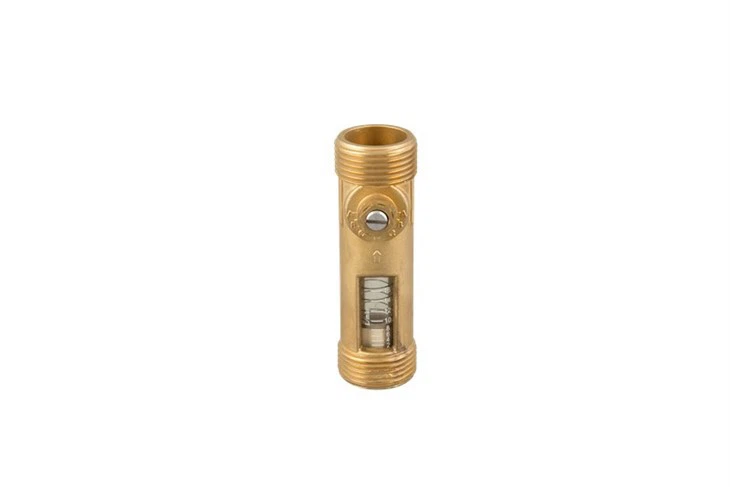
These valves use a combination of a flow - control orifice and a pressure - compensating mechanism. The pressure - compensating part adjusts the valve opening to maintain a constant differential pressure across the flow - control orifice, resulting in a consistent flow rate.
Challenges and Considerations
While balancing valves can have a place in variable flow rate systems, there are also some challenges and considerations to keep in mind.
1. Compatibility with Control Systems
Variable flow rate systems often rely on sophisticated control systems to adjust the flow rate. Balancing valves need to be compatible with these control systems to ensure seamless operation. In some cases, additional sensors or actuators may be required to integrate the balancing valves into the overall control strategy.
2. Maintenance and Monitoring
Balancing valves in variable flow rate systems may require more frequent maintenance and monitoring compared to those in constant flow rate systems. The dynamic nature of the system can cause wear and tear on the valves, and changes in the flow pattern may require periodic adjustments.
3. Cost - Benefit Analysis
When considering using balancing valves in a variable flow rate system, a cost - benefit analysis is necessary. The initial cost of installing balancing valves, along with the cost of maintenance and integration, needs to be weighed against the potential benefits, such as improved system performance and energy savings.
Conclusion
In conclusion, balancing valves can indeed be used in systems with variable flow rates, but their application requires careful consideration. During system commissioning, for limiting maximum flow, and in the case of pressure - independent balancing, balancing valves can provide significant benefits. However, challenges such as compatibility with control systems, maintenance requirements, and cost - benefit analysis need to be addressed.
As a supplier of high - quality balancing valves, including the Z - 6200 Series Balancing Valves, we are committed to providing solutions that meet the diverse needs of our customers. If you are considering using balancing valves in your variable flow rate system, we invite you to contact us for more information and to discuss your specific requirements. Our team of experts is ready to assist you in making the right choice for your system.
References
- ASHRAE Handbook - HVAC Systems and Equipment. American Society of Heating, Refrigerating and Air - Conditioning Engineers.
- Fluid Mechanics and Thermodynamics of Turbomachinery. S. L. Dixon and C. A. Hall.


