


As a supplier of plastic flowmeters, ensuring the safe transportation of our products is of utmost importance. Plastic flowmeters are delicate instruments that can be easily damaged during transit if not handled properly. In this blog post, I will share some key strategies and best practices on how to transport plastic flowmeters safely.
Understanding the Vulnerabilities of Plastic Flowmeters
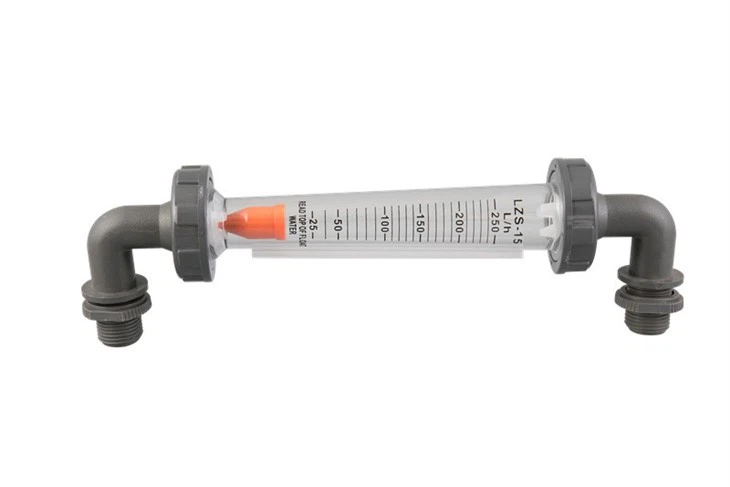
Plastic flowmeters are made from various types of plastics, which offer advantages such as corrosion resistance, lightweight, and cost - effectiveness. However, plastics can be brittle, especially at low temperatures, and are susceptible to scratches, impacts, and chemical damage. Additionally, the internal components of flowmeters, such as sensors and display units, are fragile and need to be protected from vibrations and shocks.
Pre - transportation Preparation
1. Inspection
Before packing the plastic flowmeters for transportation, a thorough inspection is necessary. Check for any visible damage, loose parts, or signs of malfunction. For example, ensure that the display on the flowmeter is working properly, and there are no cracks on the plastic housing. If any issues are found, repair or replace the defective parts to avoid problems during transit and after installation.
2. Cleaning
Clean the flowmeters to remove any dirt, debris, or contaminants. This not only improves the appearance of the product but also prevents potential damage caused by foreign particles. Use a mild detergent and a soft cloth to clean the plastic surface gently. Avoid using abrasive materials that could scratch the plastic.
3. Calibration Verification
Verify the calibration of the flowmeters. A mis - calibrated flowmeter can lead to inaccurate measurements, which can be a significant problem for our customers. If the calibration is off, recalibrate the flowmeter according to the manufacturer's specifications. This step ensures that the product will perform accurately once it reaches the customer.
Packaging
1. Inner Packaging
Use high - quality foam inserts or shock - absorbing materials to wrap each flowmeter individually. Foam provides excellent cushioning and can protect the flowmeter from impacts and vibrations. Cut the foam to fit the shape of the flowmeter precisely, so it holds the device securely in place. For example, for our Z - 500G (Glue) Series Plastic Flowmeters, the inner packaging should be designed to protect the unique shape and components of this series.
2. Outer Packaging
Place the individually wrapped flowmeters in sturdy cardboard boxes. The boxes should be of appropriate size to avoid excessive movement inside. Add additional padding material, such as bubble wrap or packing peanuts, around the wrapped flowmeters to fill any empty spaces. Label the boxes clearly with the product name, model number, quantity, and handling instructions. For example, mark the boxes with "Fragile" and "This Side Up" to ensure proper handling during transportation.

Choosing the Right Shipping Method
1. Carrier Selection
Select a reliable shipping carrier with a good reputation for handling fragile goods. Research different carriers and compare their services, transit times, and insurance options. Look for carriers that have experience in transporting sensitive equipment. For example, some carriers offer specialized handling for high - value and fragile items, which can provide an extra layer of protection for our plastic flowmeters.
2. Shipping Mode
Depending on the destination and the urgency of the delivery, choose the appropriate shipping mode. For local or regional deliveries, ground transportation may be a cost - effective option. However, for long - distance or international shipments, air freight may be more suitable as it reduces the transit time and minimizes the risk of damage due to prolonged handling.
Temperature and Humidity Considerations
1. Temperature Control
Plastic flowmeters can be affected by extreme temperatures. During transportation, try to ensure that the environment remains within the recommended temperature range. If shipping in cold weather, use insulated packaging or heating elements to prevent the plastic from becoming brittle. In hot weather, avoid exposing the packages to direct sunlight for extended periods.
2. Humidity Control
High humidity can cause corrosion and damage to the internal components of the flowmeters. Use moisture - absorbing packets or desiccants in the packaging to keep the humidity level low. Seal the packages tightly to prevent moisture from entering.
Documentation
1. Shipping Documents
Prepare accurate shipping documents, including the bill of lading, packing list, and customs documents (for international shipments). The bill of lading should include detailed information about the flowmeters, such as the quantity, model number, and value. The packing list should list all the items included in each box.
2. Instruction Manuals and Warranty Information
Include the instruction manuals and warranty information in the package. These documents are essential for the customer to install, operate, and maintain the flowmeters correctly. Make sure the manuals are in the appropriate language for the destination country.
Tracking and Monitoring
1. Tracking Services
Use the tracking services provided by the shipping carrier. This allows us and our customers to monitor the progress of the shipment in real - time. We can quickly identify any delays or issues and take appropriate action.
2. Monitoring Devices
In some cases, especially for high - value or critical shipments, consider using monitoring devices such as temperature sensors and shock indicators. These devices can provide valuable information about the environmental conditions and any rough handling during transit. If the sensors detect abnormal conditions, we can take steps to investigate and address the problem.
Handling at Destination
1. Delivery Instructions
Provide clear delivery instructions to the shipping carrier. For example, specify the delivery time, location, and any special requirements. If the customer has specific installation needs, communicate this information to the carrier as well.
2. Customer Training
Offer customer training on how to unpack, install, and operate the flowmeters safely. This can help prevent damage caused by improper handling at the customer's end. Provide online resources, such as video tutorials and user manuals, to assist the customers.
Conclusion
Transporting plastic flowmeters safely requires careful planning, proper packaging, and the use of reliable shipping methods. By following these best practices, we can ensure that our products reach our customers in perfect condition, ready to provide accurate and reliable flow measurements. If you are interested in purchasing our Z - 500G (Glue) Series Plastic Flowmeters, Z - 500E (Elbow) Series Plastic Flowmeters, or Z - 500M (Male) Series Plastic Flowmeters, please feel free to contact us for more information and to start the procurement negotiation process.
References
- ASTM International. (Year). Standard practices for packaging and shipping of industrial instruments.
- Manufacturer's manuals for Z - 500G, Z - 500E, and Z - 500M series plastic flowmeters.


