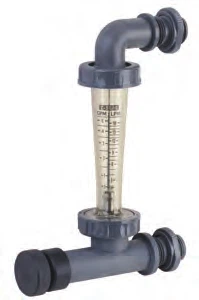
As a supplier of plastic flowmeters, I often encounter customers who are interested in upgrading their existing plastic flowmeters. Upgrading a plastic flowmeter can enhance its performance, accuracy, and reliability, ultimately leading to better process control and cost savings. In this blog post, I will share some insights on how to upgrade a plastic flowmeter, based on my experience in the industry.
Assessing the Current Situation
The first step in upgrading a plastic flowmeter is to assess the current situation. This involves evaluating the performance of the existing flowmeter, identifying any issues or limitations, and determining the specific requirements for the upgrade. Here are some key factors to consider:
- Flow Measurement Requirements: Review the flow measurement requirements of your application, including the flow rate range, accuracy, and repeatability. Ensure that the upgraded flowmeter can meet these requirements.
- Process Conditions: Consider the process conditions, such as temperature, pressure, and chemical compatibility. The upgraded flowmeter should be able to withstand these conditions without compromising its performance.
- Installation and Integration: Evaluate the installation and integration requirements of the upgraded flowmeter. Ensure that it can be easily installed in the existing piping system and integrated with the control system.
- Budget: Determine your budget for the upgrade. Consider the cost of the new flowmeter, installation, and any additional accessories or services.
Selecting the Right Flowmeter
Once you have assessed the current situation, the next step is to select the right flowmeter for your application. There are several types of plastic flowmeters available on the market, each with its own advantages and limitations. Here are some common types of plastic flowmeters:
- Variable Area Flowmeters: Variable area flowmeters, also known as rotameters, are simple and reliable flow measurement devices. They consist of a tapered tube and a float that rises or falls in the tube depending on the flow rate. Variable area flowmeters are suitable for a wide range of applications and are relatively inexpensive.
- Turbine Flowmeters: Turbine flowmeters measure the flow rate by detecting the rotation of a turbine wheel in the flow stream. They are more accurate than variable area flowmeters and can be used for higher flow rates. Turbine flowmeters are commonly used in industrial applications.
- Ultrasonic Flowmeters: Ultrasonic flowmeters measure the flow rate by detecting the time difference between ultrasonic signals transmitted upstream and downstream in the flow stream. They are non-invasive and can be used for a wide range of applications, including corrosive and abrasive fluids. Ultrasonic flowmeters are relatively expensive but offer high accuracy and reliability.
- Magnetic Flowmeters: Magnetic flowmeters measure the flow rate by detecting the voltage generated by the movement of a conductive fluid through a magnetic field. They are suitable for measuring the flow rate of conductive fluids, such as water and wastewater. Magnetic flowmeters are relatively expensive but offer high accuracy and reliability.
When selecting a flowmeter, consider the specific requirements of your application, such as the flow rate range, accuracy, and process conditions. You may also want to consult with a flowmeter expert or supplier to get their recommendations.
Upgrading the Flowmeter
Once you have selected the right flowmeter for your application, the next step is to upgrade the flowmeter. This involves removing the existing flowmeter and installing the new flowmeter in its place. Here are some general steps for upgrading a plastic flowmeter:
- Shut Down the System: Before starting the upgrade process, shut down the system and isolate the flowmeter from the process. This will ensure the safety of the personnel and prevent any damage to the equipment.
- Remove the Existing Flowmeter: Carefully remove the existing flowmeter from the piping system. Follow the manufacturer's instructions and use the appropriate tools to avoid any damage to the piping or the flowmeter.
- Prepare the Piping System: Clean the piping system and ensure that it is free from any debris or contaminants. Check the piping for any damage or leaks and repair them if necessary.
- Install the New Flowmeter: Install the new flowmeter in the piping system according to the manufacturer's instructions. Make sure that the flowmeter is properly aligned and tightened to prevent any leaks.
- Connect the Wiring: Connect the wiring of the new flowmeter to the control system. Follow the manufacturer's instructions and use the appropriate wiring and connectors to ensure proper electrical connections.
- Calibrate the Flowmeter: Once the new flowmeter is installed and connected, calibrate the flowmeter according to the manufacturer's instructions. This will ensure that the flowmeter is accurate and reliable.
- Test the System: After calibrating the flowmeter, test the system to ensure that it is working properly. Check the flow rate readings and compare them with the expected values. Make any necessary adjustments to the flowmeter or the control system.
Maintaining the Upgraded Flowmeter
Once the flowmeter is upgraded and installed, it is important to maintain it properly to ensure its long-term performance and reliability. Here are some general tips for maintaining a plastic flowmeter:
- Regular Inspection: Inspect the flowmeter regularly for any signs of damage or wear. Check the piping connections, wiring, and display for any loose or damaged parts.
- Cleaning: Clean the flowmeter regularly to remove any debris or contaminants that may affect its performance. Follow the manufacturer's instructions for cleaning the flowmeter.
- Calibration: Calibrate the flowmeter regularly to ensure its accuracy and reliability. Follow the manufacturer's instructions for calibration and use the appropriate calibration equipment.
- Replacement of Parts: Replace any worn or damaged parts of the flowmeter as soon as possible. Follow the manufacturer's instructions for replacing the parts and use the appropriate replacement parts.
Conclusion
Upgrading a plastic flowmeter can enhance its performance, accuracy, and reliability, ultimately leading to better process control and cost savings. By assessing the current situation, selecting the right flowmeter, upgrading the flowmeter, and maintaining it properly, you can ensure that your plastic flowmeter will continue to provide accurate and reliable flow measurement for many years to come.
If you are interested in upgrading your plastic flowmeter, please contact us for more information. We are a leading supplier of plastic flowmeters and can provide you with the right flowmeter for your application. We also offer installation, calibration, and maintenance services to ensure that your flowmeter is working properly.
For more information about our plastic flowmeters, please visit our website: