


Hey there! I'm a supplier of balancing valves, and I'm super excited to chat with you about how these nifty devices impact water flow rate.
First off, let's get into what a balancing valve actually is. Picture this: in a plumbing or HVAC system, different parts need a certain amount of water to function properly. But sometimes, water tends to take the path of least resistance. That means some areas might get too much water while others don't get enough. This is where balancing valves come in. They're like the traffic cops of the water - flow world, regulating how much water goes where.
When it comes to water flow rate, a balancing valve can have a pretty big say. It works by adjusting the resistance in the pipeline. You see, the flow rate of water in a pipe is determined by a few factors, mainly the pressure difference between two points in the pipe and the resistance in the pipe itself. According to the famous Darcy - Weisbach equation, the head loss (which is related to the resistance) in a pipe affects the flow rate. A balancing valve can change this resistance.
If you fully open a balancing valve, it offers very little resistance to the water flow. In this case, the valve acts almost like a normal section of the pipe. So, water can flow through it relatively freely, and the flow rate will be mainly determined by the system's overall pressure and the rest of the piping configuration. But as we start to close the valve, things change.
Closing a balancing valve increases the resistance in that particular part of the pipeline. As a result, the flow rate through that section of the valve drops. It's kind of like when you put your finger over the end of a garden hose. By reducing the opening, you increase the resistance, and the water squirts out at a different (usually higher - speed but lower overall volume) way. In a plumbing or HVAC system, closing the balancing valve can divert the water to other parts of the system that might need it more.
For example, in a multi - zone HVAC system, different zones may have different cooling or heating requirements. If one zone is getting too much water and the other isn't getting enough, we can use a balancing valve to adjust the flow. By closing the valve for the over - supplied zone slightly, we can increase the water flow to the under - supplied zone. This way, we can balance the system and ensure that each zone gets the right amount of water for efficient operation.
Now, let's talk about the accuracy of flow rate control with balancing valves. Modern balancing valves, like our Z - 6200 Series Balancing Valves, are designed to offer precise control. They often come with calibrated dials or indicators that allow technicians to set the valve to a specific flow rate. This is crucial in systems where even a small deviation in flow rate can lead to inefficiencies or even equipment damage.
In larger industrial systems, the importance of accurate flow rate control becomes even more apparent. These systems often deal with large volumes of water and have complex piping networks. A single balancing valve can be used to control the flow rate in a branch of the system, but in many cases, multiple balancing valves are installed throughout the system to achieve a more comprehensive balance.
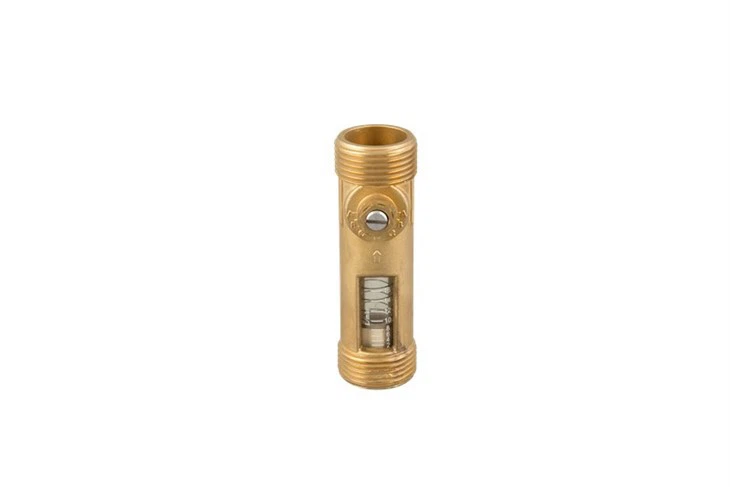
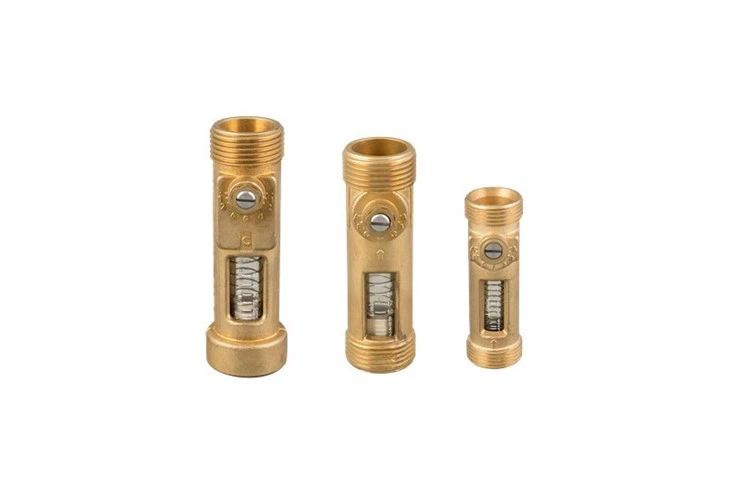
Another aspect to consider is the impact of balancing valves on system pressure. When you adjust the flow rate using a balancing valve, it can also affect the pressure in the system. For instance, if you close a valve too much, it can cause an increase in pressure upstream of the valve. This can potentially lead to problems like leaks or damage to other components in the system. That's why it's important to have a good understanding of the system's overall pressure requirements when using balancing valves.
In some systems, pressure - independent balancing valves are used. These valves are designed to maintain a constant flow rate regardless of changes in the system pressure. They do this by automatically adjusting the valve opening based on the pressure difference across the valve. This is especially useful in systems where the pressure can vary significantly, such as those with multiple pumps or where the demand for water changes frequently.
Let's take a look at some real - world scenarios. In a commercial building's HVAC system, proper water flow rate balancing is essential for maintaining a comfortable indoor environment. If the water flow to the cooling coils is not balanced correctly, some areas of the building may be too hot while others are too cold. By using balancing valves, we can ensure that the right amount of chilled water is delivered to each coil, resulting in a more consistent temperature throughout the building.
In a water treatment plant, balancing valves play a crucial role in controlling the flow of water through different treatment processes. For example, in a filtration system, the flow rate of water through the filters needs to be carefully controlled to ensure effective filtration. If the flow rate is too high, the water may not be filtered properly, and if it's too low, the system's efficiency will be reduced. Balancing valves can be used to adjust the flow rate to the optimal level for each filter.
Now, if you're in the market for balancing valves, whether it's for a small residential plumbing project or a large - scale industrial system, we've got you covered. Our Z - 6200 Series Balancing Valves are top - notch, offering high - precision control and durability. We understand that every system is unique, and we're here to work with you to find the right solution for your specific needs.
If you're interested in learning more about how our balancing valves can improve the performance of your water or HVAC system, or if you want to discuss your project and get a quote, don't hesitate to reach out. We're always ready to have a chat and help you make the best choice for your system.
References:
- Fluid Mechanics textbooks on pipe flow and valve operation
- Industry standards and guidelines for HVAC and plumbing system design


