


Solenoid valves play a crucial role in controlling the flow of fluids across a wide range of industries. As a leading supplier of general use solenoid valves, I've witnessed firsthand how these remarkable devices have revolutionized fluid control systems. In this blog post, I'll delve into the inner workings of solenoid valves, exploring how they operate and the various types available to meet diverse application needs.
Understanding the Basics of Solenoid Valves
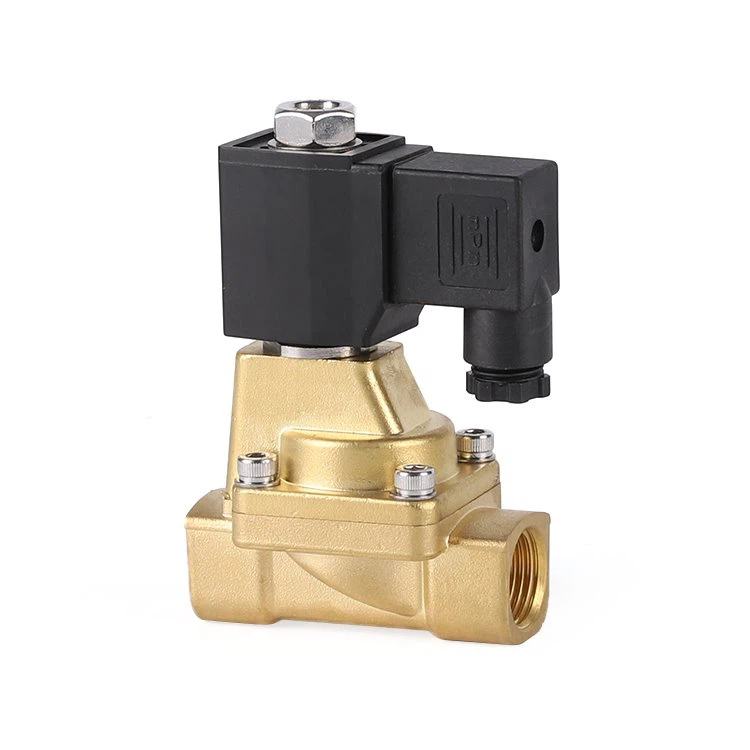
At its core, a solenoid valve is an electromechanical device that uses an electric current to control the flow of a fluid, such as gas or liquid. The valve consists of two main components: a solenoid and a valve body. The solenoid is an electromagnetic coil that, when energized, creates a magnetic field. This magnetic field then acts on a plunger or diaphragm within the valve body, causing it to move and either open or close the valve.
The operation of a solenoid valve is relatively simple yet highly effective. When an electrical current is applied to the solenoid, the magnetic field generated attracts the plunger or diaphragm, overcoming the force of a spring or other mechanical means. This movement allows the fluid to flow through the valve. Conversely, when the electrical current is removed, the spring or mechanical force returns the plunger or diaphragm to its original position, blocking the flow of fluid.
Types of General Use Solenoid Valves
There are several types of general use solenoid valves available, each designed to meet specific application requirements. Some of the most common types include:
- Direct Acting Solenoid Valve: Direct Acting Solenoid Valve These valves operate without the need for a pressure differential to open or close. They are typically used in applications where low flow rates and low pressures are involved. Direct acting solenoid valves are known for their fast response times and reliable operation.
- 2/2 Way Universal Solenoid Valve: 2/2 Way Universal Solenoid Valve These valves have two ports and two positions, allowing them to either open or close the flow of fluid. They are commonly used in on/off applications, such as controlling the flow of water in a sprinkler system or the flow of gas in a heating system.
- Universal Pilot Diaphragm Valve: Universal Pilot Diaphragm Valve These valves use a pilot mechanism to control the movement of a diaphragm, which in turn controls the flow of fluid. They are suitable for applications where higher pressures and larger flow rates are required. Universal pilot diaphragm valves offer excellent flow control and are often used in industrial processes.
Factors Affecting Solenoid Valve Performance
Several factors can affect the performance of a solenoid valve, including:
- Fluid Type: Different fluids have different properties, such as viscosity, temperature, and chemical composition. These properties can affect the valve's operation and longevity. It's important to select a solenoid valve that is compatible with the fluid being used.
- Pressure and Flow Rate: The pressure and flow rate of the fluid being controlled are important considerations when selecting a solenoid valve. The valve must be able to handle the maximum pressure and flow rate of the system without experiencing excessive wear or failure.
- Electrical Characteristics: The electrical characteristics of the solenoid, such as voltage, current, and power consumption, must be compatible with the control system. Incorrect electrical specifications can lead to improper valve operation or damage to the solenoid.
- Environmental Conditions: The operating environment can also affect the performance of a solenoid valve. Factors such as temperature, humidity, and vibration can impact the valve's reliability and lifespan. It's important to select a valve that is designed to withstand the specific environmental conditions of the application.
Applications of General Use Solenoid Valves
General use solenoid valves are used in a wide range of applications across various industries, including:
- Automotive: Solenoid valves are used in automotive applications, such as fuel injection systems, transmission control, and emissions control. They help to improve engine performance, fuel efficiency, and reduce emissions.
- HVAC: In heating, ventilation, and air conditioning (HVAC) systems, solenoid valves are used to control the flow of refrigerant, water, and air. They play a crucial role in maintaining comfortable indoor temperatures and ensuring energy efficiency.
- Industrial Automation: Solenoid valves are widely used in industrial automation systems to control the flow of fluids in manufacturing processes. They are used in applications such as pneumatic and hydraulic systems, chemical processing, and food and beverage production.
- Medical: In the medical industry, solenoid valves are used in a variety of applications, such as medical equipment, drug delivery systems, and laboratory instruments. They help to ensure accurate and precise control of fluids in critical medical procedures.
Advantages of Using General Use Solenoid Valves
There are several advantages to using general use solenoid valves in fluid control systems, including:
- Fast Response Time: Solenoid valves can open and close quickly, allowing for precise control of fluid flow. This makes them ideal for applications where rapid changes in flow rate or pressure are required.
- Reliable Operation: Solenoid valves are known for their reliable operation and long service life. They are designed to withstand harsh operating conditions and can provide consistent performance over time.
- Easy to Install and Maintain: Solenoid valves are relatively easy to install and maintain. They typically require minimal wiring and can be easily integrated into existing control systems. Additionally, most solenoid valves are designed for easy replacement of components, reducing downtime and maintenance costs.
- Cost-Effective: General use solenoid valves are cost-effective compared to other types of fluid control devices. They offer a high level of performance at a relatively low cost, making them a popular choice for many applications.
Conclusion
In conclusion, general use solenoid valves are essential components in fluid control systems across a wide range of industries. Their ability to control the flow of fluids quickly, reliably, and cost-effectively makes them a popular choice for many applications. As a supplier of general use solenoid valves, I'm committed to providing high-quality products that meet the specific needs of our customers. If you're looking for a reliable solenoid valve solution for your application, I encourage you to contact us to discuss your requirements. Our team of experts will be happy to assist you in selecting the right valve for your needs and provide you with the support and service you deserve.

References
- "Solenoid Valves: Principles, Operation, and Selection," by Peter A. Schweitzer
- "Fluid Power Technology," by David Crolla
- "Industrial Valves: Selection, Specification, and Installation," by Robert A. Smith


