


In the field of fluid control systems, balancing valves play a crucial role in ensuring the efficient and stable operation of various applications. As a leading supplier of balancing valves, I've witnessed firsthand how different fluid types can significantly impact the performance of these essential components. In this blog post, I'll delve into the intricacies of how fluid characteristics affect the functionality of balancing valves and explore the implications for different industries.
Understanding Balancing Valves
Before we dive into the impact of fluid types, let's briefly review what balancing valves are and how they work. Balancing valves are used to regulate the flow of fluids in a piping system, ensuring that each branch or circuit receives the appropriate amount of fluid. This is achieved by adjusting the valve's opening to control the pressure drop across it, thereby balancing the flow rates throughout the system.
Balancing valves are commonly used in heating, ventilation, and air conditioning (HVAC) systems, as well as in industrial processes where precise flow control is required. By maintaining a balanced flow, these valves help to optimize system performance, improve energy efficiency, and prevent issues such as overheating or under - cooling.
Key Fluid Properties Affecting Balancing Valve Performance
Viscosity
Viscosity is one of the most critical fluid properties that can affect the performance of a balancing valve. Viscosity refers to a fluid's resistance to flow. High - viscosity fluids, such as oils or syrups, flow more slowly and require more energy to move through a piping system compared to low - viscosity fluids like water.
When dealing with high - viscosity fluids, balancing valves may experience increased pressure drops. This is because the valve has to overcome the greater resistance of the fluid to flow. As a result, the valve may need to be adjusted more frequently to maintain the desired flow rate. In some cases, a larger - sized valve may be required to handle the high - viscosity fluid without causing excessive pressure drops.

On the other hand, low - viscosity fluids generally result in lower pressure drops across the balancing valve. However, they can also pose challenges in terms of flow control. Low - viscosity fluids may be more prone to turbulence, which can make it difficult to accurately measure and regulate the flow rate.
Density
Density is another important fluid property that can impact the performance of balancing valves. Density refers to the mass per unit volume of a fluid. Fluids with higher densities, such as mercury, exert more force on the valve components compared to fluids with lower densities, like air.
In a balancing valve, the pressure drop is related to the fluid's density. Higher - density fluids will cause a greater pressure drop for the same flow rate compared to lower - density fluids. This means that the valve may need to be designed or adjusted differently depending on the density of the fluid it is handling. For example, a valve used with a high - density fluid may require stronger internal components to withstand the higher forces.
Chemical Composition
The chemical composition of a fluid can also have a significant impact on the performance and lifespan of a balancing valve. Corrosive fluids, such as acids or alkalis, can cause damage to the valve's internal surfaces over time. This can lead to leaks, reduced flow control accuracy, and ultimately, valve failure.
To combat the effects of corrosion, balancing valves used with corrosive fluids need to be made from materials that are resistant to chemical attack. For example, valves made from stainless steel or plastic may be suitable for handling certain corrosive fluids. Additionally, proper maintenance and regular inspections are essential to detect and address any signs of corrosion early on.
Temperature
Temperature can affect both the physical properties of the fluid and the performance of the balancing valve. As the temperature of a fluid increases, its viscosity typically decreases, which can lead to changes in the flow characteristics. For example, a fluid that is highly viscous at room temperature may become much more fluid at elevated temperatures, resulting in a lower pressure drop across the valve.

Moreover, temperature can also affect the mechanical properties of the valve components. High temperatures can cause materials to expand, which may lead to changes in the valve's internal clearances and affect its sealing performance. On the other hand, low temperatures can make materials more brittle, increasing the risk of cracking or breakage.
Impact on Different Industries
HVAC Industry
In the HVAC industry, water is the most commonly used fluid in balancing valves. Water has relatively low viscosity and density, which makes it easier to handle compared to other fluids. However, issues such as water quality can still affect the performance of balancing valves. For example, if the water contains impurities or minerals, it can cause scaling or corrosion inside the valve, reducing its efficiency over time.
Our [Z - 6200 Series Balancing Valves](/flow - meter/balancing - valves/z - 6200 - series - balancing - valves.html) are designed to handle water - based HVAC systems effectively. They are made from high - quality materials that are resistant to corrosion and can maintain accurate flow control even in the presence of minor water quality issues.

Industrial Processes
In industrial processes, a wide variety of fluids are used, each with its own unique properties. For example, in the chemical industry, balancing valves may need to handle corrosive chemicals, while in the food and beverage industry, they may be used with viscous fluids such as syrups or pastes.
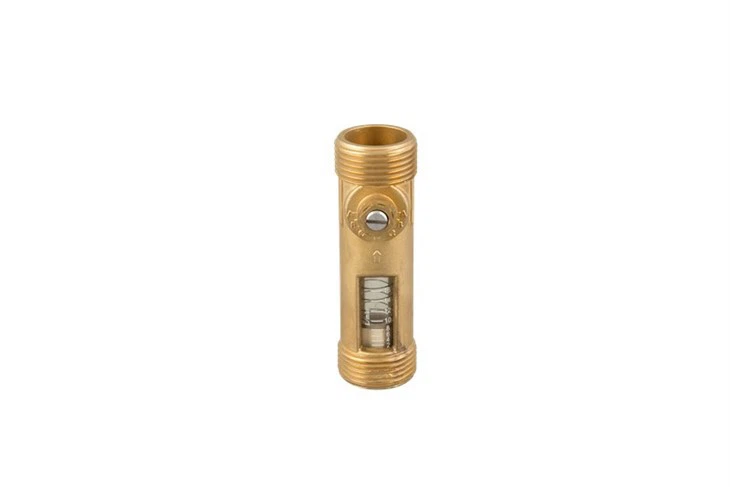
The performance requirements for balancing valves in industrial processes are often more stringent compared to HVAC systems. Valves need to be able to withstand harsh chemical environments, high pressures, and extreme temperatures. Our range of balancing valves can be customized to meet the specific needs of different industrial applications, ensuring reliable and efficient operation.
Oil and Gas Industry
In the oil and gas industry, balancing valves are used in various applications, including pipeline transportation and refinery processes. Crude oil and other petroleum products have high viscosities and densities, which pose significant challenges for flow control.
Balancing valves in the oil and gas industry need to be designed to handle high - pressure drops and large flow rates. They also need to be made from materials that can withstand the corrosive nature of oil and gas. Our advanced balancing valve solutions are engineered to meet the demanding requirements of the oil and gas sector, providing accurate flow control and long - term reliability.
Conclusion
In conclusion, the type of fluid used in a system has a profound impact on the performance of balancing valves. Viscosity, density, chemical composition, and temperature are all key factors that need to be considered when selecting and operating a balancing valve. As a supplier of balancing valves, we understand the importance of providing high - quality products that can adapt to different fluid types and application requirements.
If you're in need of balancing valves for your specific application, we encourage you to contact us for a detailed discussion. Our team of experts can help you select the right valve for your needs, taking into account the fluid characteristics and system requirements. Whether you're in the HVAC, industrial, or oil and gas industry, we have the solutions to ensure the efficient and reliable operation of your fluid control system.
References
- "Fluid Mechanics" by Frank M. White.
- "HVAC Systems: Design and Installation" by CIBSE Guides.
- "Industrial Valves: Selection, Sizing, and Application" by Valve Manufacturers Association.


