


Balancing valves play a crucial role in various plumbing and HVAC systems. They help ensure that the flow of fluids, such as water or air, is evenly distributed across different branches of a system, optimizing performance and energy efficiency. As a balancing valves supplier, I often receive inquiries from customers about the cost of installing these valves. In this blog post, I will delve into the factors that influence the installation cost of balancing valves and provide a comprehensive overview to help you make an informed decision.
Factors Affecting the Installation Cost
1. Valve Type and Model
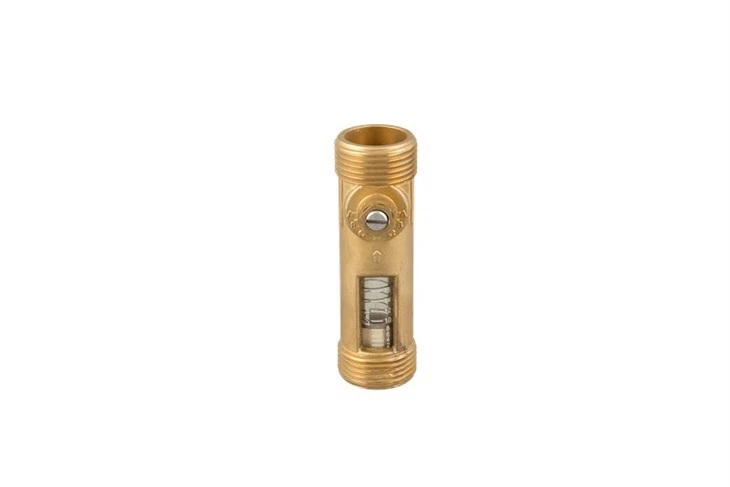
There is a wide range of balancing valves available in the market, each with its own features, specifications, and price points. For instance, our Z-6200 Series Balancing Valves are designed for high - performance applications, offering precise flow control and durability. These valves may come at a higher cost compared to more basic models. The complexity of the valve's design, such as whether it has integrated sensors or advanced flow - adjustment mechanisms, can also impact the price.
2. System Size and Complexity
The size and complexity of the plumbing or HVAC system where the balancing valves will be installed are significant factors. Larger systems with more branches and a greater number of valves required will naturally incur higher installation costs. For example, a commercial building with multiple floors and numerous zones will need more balancing valves than a small residential property. Additionally, systems with complex layouts, such as those with long pipe runs or intricate piping configurations, may require more labor and time to install the valves properly, driving up the cost.
3. Labor Costs
Labor costs can vary depending on the region, the skill level of the installers, and the amount of work involved. In areas with a high cost of living, labor rates are generally higher. Professional installers with extensive experience in balancing valve installation may charge more, but they also offer the assurance of a high - quality installation. The time required for installation also affects labor costs. If the installation process is straightforward, it will take less time and cost less in labor. However, if there are unforeseen issues, such as difficult access to the installation sites or the need to modify existing piping, labor costs can increase significantly.

4. Additional Materials
In addition to the balancing valves themselves, other materials are often needed for installation. These may include pipe fittings, gaskets, sealants, and mounting hardware. The cost of these materials can vary depending on the quality and type required. For example, high - quality stainless - steel pipe fittings will be more expensive than standard galvanized ones. The quantity of additional materials needed also depends on the system's design and the number of valves being installed.
5. System Integration
If the balancing valves need to be integrated with other components of the system, such as control systems or pumps, this can add to the installation cost. Integration may require additional programming, wiring, and testing to ensure that the valves work in harmony with the rest of the system. For example, if the valves are part of a smart HVAC system that uses sensors and a central control unit, the installation process will be more complex and costly.
Cost Estimates
Residential Installations
For a small residential HVAC system, the cost of installing a single balancing valve can range from $150 to $500. This includes the cost of the valve, labor, and basic additional materials. If multiple valves are required, say for a multi - zone system, the total cost can be between $500 and $2000, depending on the number of valves and the complexity of the installation.
Commercial Installations
Commercial installations are typically more expensive due to the larger scale and complexity of the systems. For a medium - sized commercial building, the cost of installing balancing valves can start from $2000 and go up to $10,000 or more. Large industrial facilities with extensive plumbing and HVAC systems may incur installation costs in the tens of thousands of dollars.
It's important to note that these are just rough estimates, and the actual cost can vary significantly based on the factors mentioned above.
Tips to Reduce Installation Costs
1. Plan Ahead
Before starting the installation, carefully plan the system layout and determine the exact number and type of balancing valves needed. This can help avoid unnecessary purchases and reduce the overall cost. A well - thought - out plan can also streamline the installation process, saving time and labor.
2. Choose the Right Supplier
As a balancing valves supplier, I understand the importance of offering high - quality products at competitive prices. Look for a supplier who can provide you with the right valves for your application and offer technical support. Buying in bulk from a reliable supplier can also result in cost savings.
3. Hire Experienced Installers
While it may seem counterintuitive, hiring experienced installers can actually save you money in the long run. They are more likely to complete the installation quickly and correctly, minimizing the risk of costly mistakes and rework.
Conclusion
The cost of installing balancing valves depends on several factors, including valve type, system size and complexity, labor costs, additional materials, and system integration. By understanding these factors, you can make a more accurate cost estimate for your specific project. If you are considering installing balancing valves in your plumbing or HVAC system, I encourage you to reach out to us. We have a wide range of high - quality balancing valves, including the Z-6200 Series Balancing Valves, and our team of experts can provide you with detailed information and assistance in choosing the right valves for your needs. Contact us to start a procurement discussion and ensure that your system operates at its best.
References
- ASHRAE Handbook - HVAC Systems and Equipment
- Hydronic System Design Guide
- Plumbing and HVAC Installation Best Practices Manual


