


Balancing valves play a crucial role in various fluid systems, ensuring that flow rates are properly distributed and maintained. As a supplier of balancing valves, I've witnessed firsthand the importance of preventing problems associated with these valves. In this blog, I'll share some key strategies to prevent issues with balancing valves and keep your systems running smoothly.
Understanding Balancing Valves
Before delving into prevention strategies, it's essential to understand what balancing valves are and how they work. Balancing valves are devices used in HVAC systems, plumbing networks, and industrial processes to regulate the flow of fluids such as water, steam, or oil. They help maintain the desired flow rate and pressure in different parts of the system, ensuring optimal performance and energy efficiency.
There are different types of balancing valves, including manual balancing valves, automatic balancing valves, and differential pressure-independent control valves. Manual balancing valves require manual adjustment to set the desired flow rate, while automatic balancing valves can self-adjust to changes in system conditions. Differential pressure-independent control valves offer precise control over flow rates regardless of changes in pressure.
Selecting the Right Balancing Valve
One of the first steps in preventing problems with balancing valves is selecting the right valve for your specific application. Consider the following factors when making your selection:
- System Requirements: Understand the flow rate, pressure, and temperature requirements of your system. Choose a valve that can handle these conditions effectively.
- Valve Type: Determine whether a manual, automatic, or differential pressure-independent control valve is most suitable for your needs. Consider factors such as system complexity, control requirements, and budget.
- Size and Capacity: Select a valve with the appropriate size and capacity to handle the anticipated flow rate. Oversized or undersized valves can lead to inefficient operation and premature wear.
- Quality and Reliability: Choose a valve from a reputable manufacturer known for producing high-quality, reliable products. Look for valves that meet industry standards and certifications.
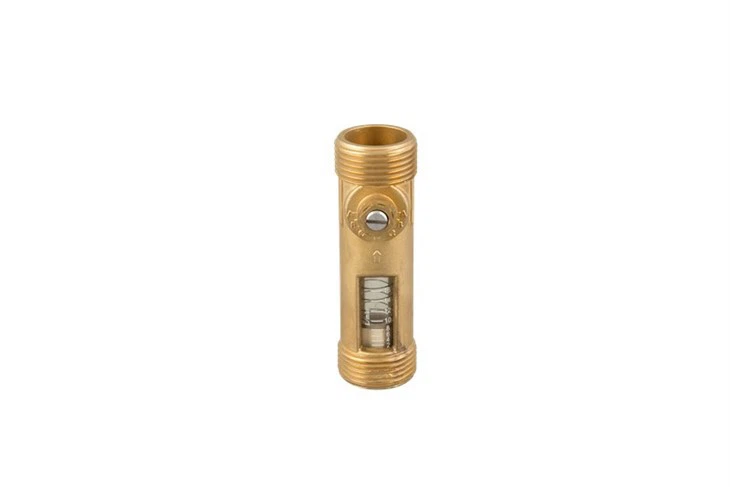
For example, our Z-6200 Series Balancing Valves are designed for a wide range of applications, offering precise flow control and excellent performance. They are available in different sizes and configurations to meet the specific needs of your system.

Proper Installation
Proper installation is crucial for the effective operation of balancing valves. Follow these installation guidelines to prevent problems:
- Read the Manufacturer's Instructions: Carefully read and follow the installation instructions provided by the valve manufacturer. This will ensure that the valve is installed correctly and operates as intended.
- Positioning: Install the valve in a location that allows for easy access and maintenance. Ensure that there is sufficient clearance around the valve for proper operation and adjustment.
- Connections: Make sure that all connections are tight and leak-free. Use the appropriate sealing materials and tools to prevent leaks.
- Piping Design: Ensure that the piping system is properly designed to accommodate the valve. The pipe size, length, and configuration should be consistent with the valve's specifications.
Improper installation can lead to issues such as leaks, pressure drops, and inefficient operation. If you're unsure about the installation process, consult a qualified professional.
Regular Maintenance
Regular maintenance is essential for preventing problems with balancing valves and ensuring their long-term performance. Here are some maintenance tasks to consider:
- Inspections: Conduct regular inspections of the valve to check for signs of wear, damage, or leaks. Look for any loose connections, cracked components, or corrosion.
- Cleaning: Keep the valve clean and free of debris. Use a soft brush or cloth to remove any dirt or sediment that may accumulate on the valve.
- Lubrication: Lubricate the valve's moving parts as recommended by the manufacturer. This will help reduce friction and ensure smooth operation.
- Calibration: Periodically calibrate the valve to ensure accurate flow control. This may involve adjusting the valve settings or using a flow meter to verify the flow rate.
By performing regular maintenance, you can identify and address potential problems before they become major issues. This will help extend the lifespan of the valve and reduce the risk of system failures.
Monitoring and Control
Monitoring and control are important aspects of preventing problems with balancing valves. By continuously monitoring the system's performance, you can detect any changes or abnormalities in the flow rate or pressure and take appropriate action.
- Flow Rate Monitoring: Use flow meters or other monitoring devices to measure the flow rate through the valve. This will help you ensure that the valve is operating within the desired range and identify any issues with flow distribution.
- Pressure Monitoring: Monitor the pressure upstream and downstream of the valve to ensure that the pressure differential is within the acceptable range. Excessive pressure differentials can cause problems such as valve noise, vibration, and premature wear.
- Control System Integration: Integrate the balancing valve with a control system to automate the flow control process. This will allow you to adjust the valve settings based on the system's operating conditions and optimize the performance of the system.
By monitoring and controlling the operation of the balancing valve, you can prevent problems such as overheating, undercooling, and inefficient operation. This will help improve the energy efficiency of the system and reduce operating costs.
Training and Education
Proper training and education are essential for preventing problems with balancing valves. Ensure that your personnel are trained on the correct installation, maintenance, and operation of the valves. Provide them with the necessary resources and information to perform their jobs effectively.
- Installation Training: Train your installation technicians on the proper installation procedures for balancing valves. This will help ensure that the valves are installed correctly and operate as intended.
- Maintenance Training: Provide your maintenance personnel with training on the regular maintenance tasks for balancing valves. This will help them identify and address potential problems before they become major issues.
- Operation Training: Train your operators on the correct operation of the balancing valves. This will help them understand how the valves work and how to adjust them to achieve the desired flow rate and pressure.
By investing in training and education, you can improve the knowledge and skills of your personnel and reduce the risk of problems with balancing valves.
Conclusion
Preventing problems with balancing valves is essential for ensuring the efficient operation of your fluid systems. By selecting the right valve, installing it properly, performing regular maintenance, monitoring and controlling its operation, and providing training and education to your personnel, you can minimize the risk of issues and keep your systems running smoothly.
If you're looking for high-quality balancing valves or need assistance with preventing problems in your fluid systems, please contact us. Our team of experts can help you select the right valve for your application and provide you with the support and guidance you need to ensure its effective operation.
References
- ASHRAE Handbook of HVAC Systems and Equipment. American Society of Heating, Refrigerating and Air-Conditioning Engineers, Inc.
- Plumbing Engineering Design Handbook. American Society of Plumbing Engineers.
- Industrial Valves: Selection, Specification, and Installation. McGraw-Hill Professional.


