


Selecting the right sanitary solenoid valve for a specific application is a critical decision that can significantly impact the efficiency, safety, and overall performance of your system. As a seasoned supplier of sanitary solenoid valves, I've witnessed firsthand the challenges that customers face when navigating the vast array of options available in the market. In this blog post, I'll share some valuable insights and guidelines to help you make an informed decision when choosing a sanitary solenoid valve for your specific needs.
Understanding the Basics of Sanitary Solenoid Valves
Before diving into the selection process, it's essential to have a clear understanding of what sanitary solenoid valves are and how they work. Sanitary solenoid valves are specifically designed for use in applications where hygiene and cleanliness are of utmost importance, such as in the food and beverage, pharmaceutical, and biotechnology industries. These valves are constructed using materials that are resistant to corrosion, easy to clean, and comply with strict sanitary standards.
A solenoid valve operates by using an electromagnetic coil to control the flow of fluid through the valve. When an electrical current is applied to the coil, it creates a magnetic field that moves a plunger or a diaphragm, opening or closing the valve. This allows for precise control of the fluid flow, making solenoid valves an ideal choice for applications that require accurate dosing, mixing, or shutting off of fluids.
Key Factors to Consider When Selecting a Sanitary Solenoid Valve
When selecting a sanitary solenoid valve for a specific application, several factors need to be taken into account. Here are some of the most important considerations:
1. Fluid Compatibility
The first and most crucial factor to consider is the compatibility of the valve materials with the fluid being handled. Different fluids have different chemical properties, and it's essential to choose a valve that can withstand the corrosive effects of the fluid without compromising its performance or integrity. For example, if you're dealing with acidic or alkaline fluids, you'll need a valve made from materials such as stainless steel, titanium, or PTFE (polytetrafluoroethylene), which are highly resistant to corrosion.
2. Pressure and Temperature Ratings
Another important consideration is the pressure and temperature ratings of the valve. The valve must be able to handle the maximum pressure and temperature conditions of the application without failing or leaking. It's crucial to select a valve with a pressure and temperature rating that exceeds the maximum operating conditions of your system to ensure reliable and safe operation.
3. Flow Rate Requirements
The flow rate requirements of your application will also play a significant role in determining the size and type of valve you need. The valve must be able to handle the required flow rate without causing excessive pressure drop or flow restrictions. To determine the appropriate valve size, you'll need to calculate the flow rate based on the specific requirements of your system, such as the pipe diameter, fluid velocity, and pressure differential.
4. Valve Type and Configuration
There are several types of sanitary solenoid valves available in the market, each with its own unique features and advantages. The most common types include two-way, three-way, and four-way valves. Two-way valves are used for simple on/off control of fluid flow, while three-way and four-way valves are used for more complex applications, such as mixing, diverting, or controlling the direction of fluid flow.
In addition to the valve type, you'll also need to consider the valve configuration, such as the normally open (NO) or normally closed (NC) position. A normally open valve allows fluid to flow through the valve when the solenoid is de-energized, while a normally closed valve blocks the flow of fluid until the solenoid is energized. The choice of valve configuration will depend on the specific requirements of your application.
5. Sanitary Standards and Certifications
In applications where hygiene and cleanliness are of utmost importance, it's essential to choose a valve that complies with strict sanitary standards and certifications. Look for valves that are certified by recognized organizations such as the FDA (Food and Drug Administration), 3-A Sanitary Standards, or EHEDG (European Hygienic Engineering and Design Group). These certifications ensure that the valve meets the highest standards of hygiene and is suitable for use in food, beverage, pharmaceutical, and biotechnology applications.
6. Actuation Method
Sanitary solenoid valves can be actuated using different methods, such as direct acting, pilot operated, or solenoid pilot. Direct acting valves are suitable for applications with low flow rates and pressures, while pilot operated valves are more suitable for applications with high flow rates and pressures. Solenoid pilot valves offer a combination of the advantages of direct acting and pilot operated valves, providing fast response times and high flow rates.
Our Product Recommendation: Two Way Sanitary Clamp Solenoid Valve
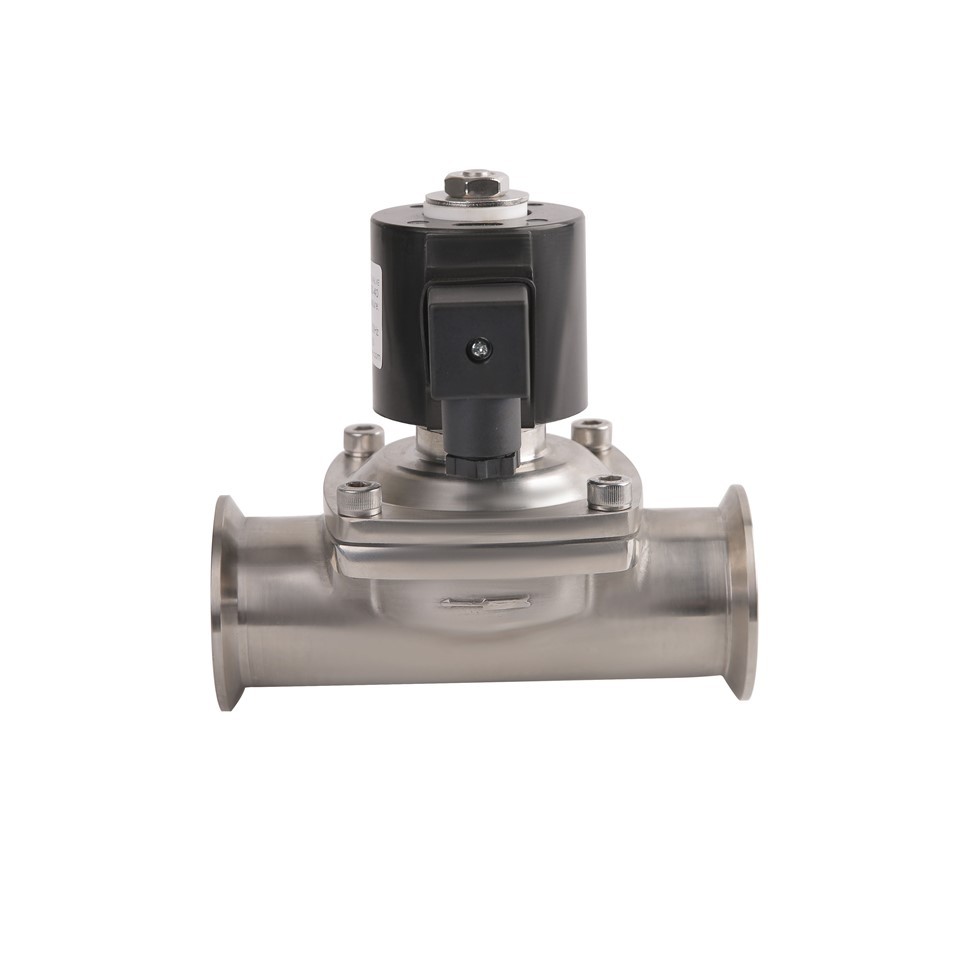
As a trusted supplier of sanitary solenoid valves, we offer a wide range of high-quality products to meet the diverse needs of our customers. One of our most popular products is the Two Way Sanitary Clamp Solenoid Valve. This valve is designed for use in applications where quick and easy installation and removal are required, such as in food and beverage processing, pharmaceutical manufacturing, and biotechnology research.
The Two Way Sanitary Clamp Solenoid Valve features a compact and lightweight design, making it easy to install and integrate into your existing system. It is constructed using high-quality stainless steel materials, which are resistant to corrosion and easy to clean, ensuring long-term reliability and performance. The valve is available in a variety of sizes and configurations to meet the specific requirements of your application, and it is certified by recognized organizations such as the FDA and 3-A Sanitary Standards, ensuring compliance with the highest standards of hygiene.
Conclusion
Selecting the right sanitary solenoid valve for a specific application is a complex process that requires careful consideration of several factors. By understanding the basics of sanitary solenoid valves and taking into account the key factors outlined in this blog post, you can make an informed decision and choose a valve that meets the specific requirements of your system.
If you have any questions or need further assistance in selecting a sanitary solenoid valve for your application, please don't hesitate to contact us. Our team of experienced professionals is always ready to help you find the right solution for your needs. We look forward to the opportunity to work with you and provide you with the highest quality sanitary solenoid valves and excellent customer service.

References
- ASME BPE (Bioprocessing Equipment) Standard
- ISO 22000: Food Safety Management Systems
- USP (United States Pharmacopeia) General Chapters


