


Hey there! As a supplier of Universal Solenoid Valves, I've had my fair share of chats with customers about how well these valves play nice with different media. It's a super important topic, 'cause if the valve ain't compatible with the media it's supposed to handle, well, things can go south pretty quickly.
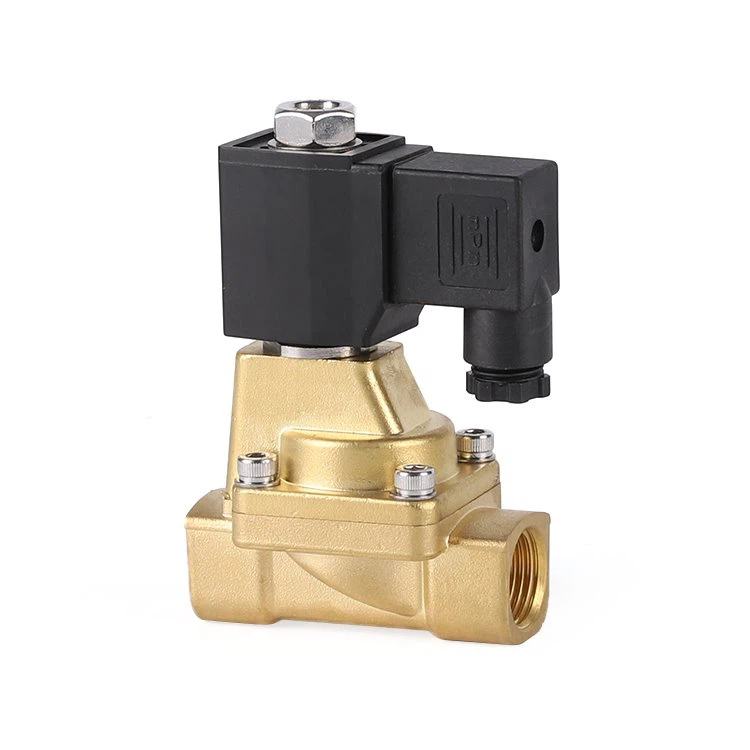
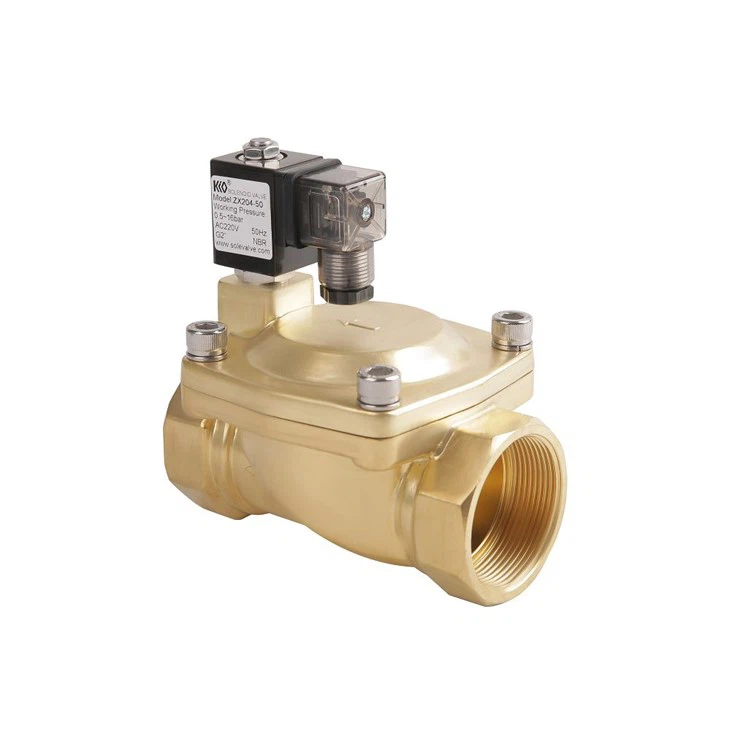
First off, let's talk about what a Universal Solenoid Valve is. In simple terms, it's a valve that uses an electromagnetic solenoid to control the flow of a medium. These valves are pretty versatile and can be found in all sorts of applications, from industrial processes to home appliances. But the big question is, how well do they work with different types of media?
Compatibility with Liquids
Liquids are one of the most common media that Universal Solenoid Valves deal with. Water, for example, is a pretty straightforward one. Most Universal Solenoid Valves are designed to work just fine with clean water. They can handle the pressure and flow rates typically associated with water systems, whether it's for a simple home plumbing setup or a large - scale industrial water treatment plant.
However, when we start getting into other types of liquids, things get a bit more complicated. Take oils, for instance. Different oils have different viscosities, and some may contain additives or contaminants. A Universal Solenoid Valve that works great with water might not work so well with a thick, viscous oil. The valve's internal components, like the seals and the moving parts, need to be able to withstand the properties of the oil. Some valves are specifically designed to handle oils, and they often have seals made from materials that are resistant to oil degradation.
Chemicals are another tricky area. There's a huge variety of chemicals out there, each with its own set of properties. Acids, bases, solvents - they all have different levels of corrosiveness. A Universal Solenoid Valve used in a chemical - handling application needs to be made from materials that can resist corrosion. For example, valves made from stainless steel or certain types of plastics are often used for more corrosive chemicals. If you use a valve that's not compatible with the chemical, the valve can get damaged quickly, leading to leaks and system failures.
Compatibility with Gases
Gases are also a major application for Universal Solenoid Valves. Air is the most common gas that these valves deal with. In pneumatic systems, Universal Solenoid Valves are used to control the flow of compressed air, which is used to power all sorts of equipment, like pneumatic cylinders and actuators. Most valves are well - suited for handling clean, dry air.
But when it comes to other gases, such as natural gas or propane, things change. These gases are flammable, so safety is a top priority. The valve needs to be designed to prevent any leakage that could lead to a fire or explosion. Additionally, the valve's materials need to be compatible with the gas. Some gases can react with certain metals or plastics, causing degradation over time.
In industrial settings, there are also specialty gases like oxygen, nitrogen, and argon. These gases have different properties, and the valves used with them need to be carefully selected. For example, oxygen is a highly reactive gas, so valves used with oxygen need to be made from materials that won't support combustion.
Types of Universal Solenoid Valves and Their Compatibility
There are different types of Universal Solenoid Valves, and each type has its own level of compatibility with different media. One popular type is the Direct Acting Solenoid Valve. These valves are great for applications where quick response times are needed. They can work with a wide range of media, including both liquids and gases. However, they may have limitations when it comes to handling high - pressure or high - viscosity media.
The Universal Pilot Diaphragm Valve is another type. These valves use a diaphragm to control the flow of the medium. They are often used in applications where a larger flow rate is required. They can handle a variety of media, but the diaphragm material needs to be carefully chosen based on the properties of the medium. For example, if the medium is abrasive, a more durable diaphragm material might be needed.
The 2/2 Way Universal Pilot Diaphragm Valve is a specific version of the pilot diaphragm valve. It has two ports and two positions, which makes it suitable for on - off control of the medium flow. It can be used with different types of media, but again, the compatibility depends on the valve's construction materials and the characteristics of the medium.
Factors Affecting Compatibility
Several factors can affect the compatibility of a Universal Solenoid Valve with different media. Temperature is a big one. High temperatures can cause the materials in the valve to expand, which can affect the valve's performance. It can also speed up the degradation of seals and other components. On the other hand, low temperatures can make some materials brittle, leading to cracks and failures.
Pressure is another important factor. Different valves are rated for different pressure ranges. If the pressure of the medium is too high for the valve, it can cause the valve to malfunction or even break. The flow rate of the medium also matters. A valve that's designed for a low - flow application might not be able to handle a high - flow situation, and vice versa.
The cleanliness of the medium is also crucial. If the medium contains particles or contaminants, it can clog the valve or damage its internal components. In applications where the medium is dirty, filters are often used upstream of the valve to protect it.
Ensuring Compatibility
So, how do you make sure that you're using the right Universal Solenoid Valve for your specific medium? First of all, do your research. Look at the valve's specifications and see what types of media it's designed to handle. If you're not sure, don't hesitate to reach out to the valve manufacturer or supplier. We're here to help you figure out the best valve for your application.
When selecting a valve, consider the properties of the medium, such as its viscosity, corrosiveness, and temperature. Also, think about the operating conditions, like pressure and flow rate. If possible, test the valve with a small amount of the actual medium before installing it in a full - scale system.
Conclusion
In conclusion, the compatibility of a Universal Solenoid Valve with different media is a complex but crucial aspect of valve selection. Different types of media, whether it's liquids, gases, or chemicals, have different properties that can affect the valve's performance and lifespan. By understanding the different types of Universal Solenoid Valves, the factors that affect compatibility, and how to ensure that you're using the right valve, you can avoid costly system failures and keep your operations running smoothly.
If you're in the market for a Universal Solenoid Valve and need help finding the right one for your specific application, don't hesitate to get in touch. We're experts in this field and can guide you through the selection process to make sure you get a valve that's perfectly compatible with your medium. Let's work together to find the best solution for your needs!
References
- "Solenoid Valve Handbook" - A comprehensive guide on solenoid valves and their applications.
- Industry standards and guidelines related to valve manufacturing and usage.


