


Hey there! As a supplier of Balancing Valves, I often get asked about the correct way to commission a balancing valve. In this blog post, I'll share my insights and experience on this topic to help you understand the process better.
Understanding Balancing Valves
First things first, let's briefly talk about what balancing valves are. Balancing valves are essential components in HVAC (Heating, Ventilation, and Air Conditioning) systems. They help to regulate the flow of fluids, such as water or air, ensuring that each part of the system receives the right amount of flow. This is crucial for maintaining optimal performance, energy efficiency, and comfort in a building.
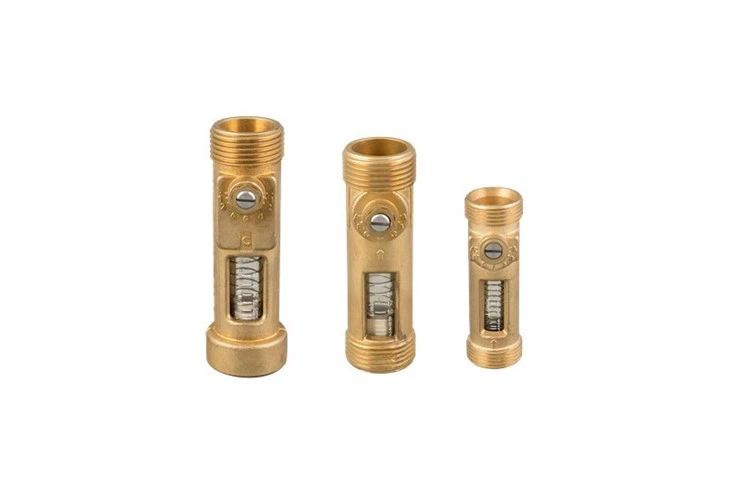
One of the great products we offer is the Z-6200 Series Balancing Valves. These valves are designed with advanced technology to provide accurate flow control and are highly reliable.
Why Commissioning is Important
Commissioning a balancing valve is not just an optional step; it's a critical process that ensures the valve and the entire HVAC system work as intended. Without proper commissioning, you might end up with uneven flow distribution, which can lead to various problems. For example, some areas of a building might be too hot or too cold, while others might not receive enough ventilation. This can result in discomfort for the occupants and increased energy consumption as the system tries to compensate for the imbalances.
Steps to Commission a Balancing Valve
Step 1: Preparation
Before you start commissioning the balancing valve, you need to do some preparation work. First, gather all the necessary tools and equipment. This typically includes a flow meter, pressure gauges, and a calculator. You'll also need to review the system design documents to understand the expected flow rates and pressure drops for each part of the system.
Next, make sure the system is in a stable state. This means that all pumps, fans, and other equipment should be running at their normal operating conditions. Check for any leaks or blockages in the pipes and ensure that all valves are in the correct position.
Step 2: Measuring the Initial Conditions
Once you're ready, start by measuring the initial flow rates and pressure drops across the balancing valve. Use the flow meter to measure the actual flow rate of the fluid passing through the valve. Connect the pressure gauges to the inlet and outlet of the valve to measure the pressure difference. Record these values accurately, as they will serve as a baseline for the commissioning process.
Step 3: Calculating the Required Settings
Based on the system design requirements and the measured initial conditions, calculate the required settings for the balancing valve. This involves determining the correct valve position or flow coefficient (Cv) that will allow the valve to achieve the desired flow rate. You can use the system design equations or consult the valve manufacturer's guidelines to make these calculations.
Step 4: Adjusting the Balancing Valve
Now it's time to adjust the balancing valve to the calculated settings. Most balancing valves have an adjustment mechanism, such as a handwheel or a digital controller. Use this mechanism to gradually adjust the valve position until the measured flow rate and pressure drop match the calculated values. Make small adjustments at a time and allow the system to stabilize between each adjustment.
Step 5: Verifying the Results
After making the adjustments, re-measure the flow rates and pressure drops across the balancing valve to verify that the desired settings have been achieved. Compare the new values with the calculated requirements. If there are still significant differences, you may need to make further adjustments until you get the correct results.
Step 6: Documenting the Commissioning Process
Once you're satisfied with the results, document the entire commissioning process. Record the initial and final flow rates, pressure drops, valve settings, and any other relevant information. This documentation will be useful for future reference and maintenance purposes. It can also help in troubleshooting if any problems arise in the future.
Tips for a Successful Commissioning
- Take your time: Commissioning a balancing valve is a precise process that requires patience. Don't rush through the steps, as making hasty adjustments can lead to inaccurate results.
- Work systematically: Follow the steps in a logical order and make sure you complete each step thoroughly before moving on to the next one.
- Communicate with the team: If you're working as part of a larger HVAC commissioning team, make sure to communicate effectively with your colleagues. Share the measured data and any observations to ensure that everyone is on the same page.
Conclusion
Commissioning a balancing valve is a crucial process that ensures the proper functioning of an HVAC system. By following the steps outlined above and using the right tools and techniques, you can achieve accurate flow control and optimize the performance of the system. Remember, if you have any questions or need further assistance, our team of experts is always here to help.
If you're interested in purchasing high-quality balancing valves like the Z-6200 Series Balancing Valves, or if you need more information about commissioning or any other related topics, don't hesitate to get in touch with us. We're dedicated to providing you with the best products and support to meet your HVAC system needs. Let's work together to create a more comfortable and energy-efficient environment.

References
- HVAC System Design Handbook
- Balancing Valve Manufacturer's Technical Manuals


