


As a supplier of solenoid valves, I've witnessed firsthand the various challenges and factors that can affect the performance and longevity of these essential components. One significant issue that often arises is the presence of fluid impurities. In this article, we will delve deep into the impact of fluid impurities on solenoid valves, exploring the various types of impurities, their effects, and how to mitigate these issues to ensure the smooth operation of your solenoid valves.
Types of Fluid Impurities
Fluid impurities can be broadly categorized into three main types: solid particles, chemical contaminants, and biological matter.
- Solid Particles: These include sand, silt, rust, and other debris that can enter the fluid system. They can originate from the piping system, the fluid source itself, or even from manufacturing processes.
- Chemical Contaminants: Chemicals such as acids, alkalis, and salts can dissolve in the fluid and cause corrosion or other chemical reactions within the solenoid valve. These contaminants can come from the environment, industrial processes, or the fluid's own composition.
- Biological Matter: Bacteria, algae, and other microorganisms can grow in the fluid, especially in warm and moist environments. They can form biofilms on the valve surfaces, which can impede the valve's operation and cause blockages.
Impact on Solenoid Valve Performance
The presence of fluid impurities can have a significant impact on the performance of solenoid valves in several ways.
Mechanical Wear and Tear
Solid particles in the fluid can act as abrasives, causing mechanical wear and tear on the valve components. As the fluid flows through the valve, the particles can scratch the valve seats, seals, and other moving parts, leading to reduced sealing efficiency and increased leakage. Over time, this can cause the valve to malfunction and eventually fail.
Blockages
Both solid particles and biological matter can cause blockages in the valve's orifices, channels, and other flow passages. Even small particles can accumulate over time, leading to a significant reduction in the flow rate or even a complete blockage. This can disrupt the normal operation of the system and cause pressure buildup, which can lead to damage to the valve and other components.
Corrosion
Chemical contaminants in the fluid can cause corrosion of the valve materials. Acids and alkalis can react with the metal surfaces of the valve, causing them to deteriorate over time. Corrosion can weaken the valve structure, reduce its durability, and eventually lead to leaks. In addition, corrosion products can also contribute to blockages and mechanical wear.
Compatibility Issues
The presence of certain impurities can also cause compatibility issues with the valve materials. For example, some chemicals may react with the rubber seals or O-rings in the valve, causing them to swell, shrink, or harden. This can affect the sealing performance of the valve and lead to leaks.
Specific Examples of Solenoid Valve Failures Due to Impurities
Let's take a closer look at some real - world examples of how fluid impurities can cause solenoid valve failures.

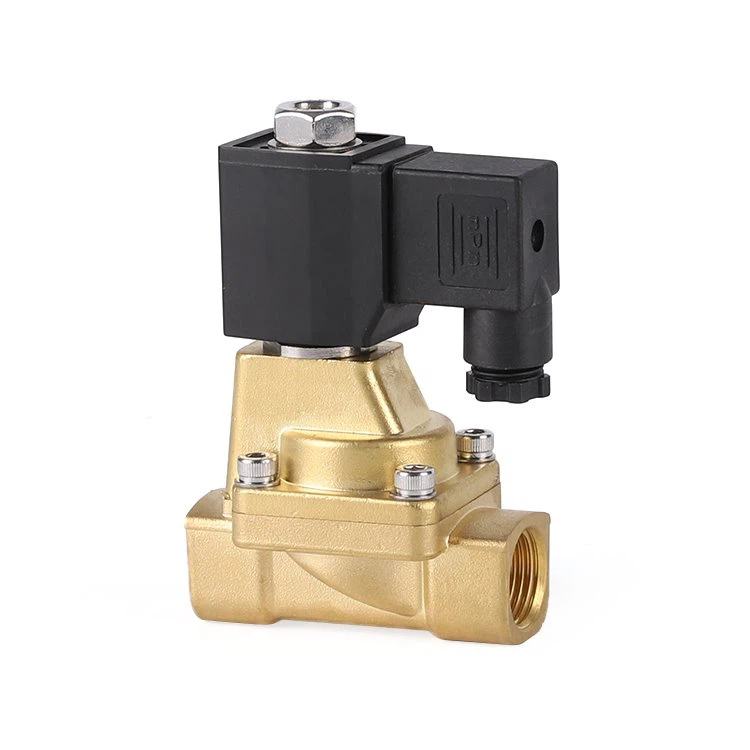
- Irrigation Systems: In irrigation systems, water often contains sand, silt, and other solid particles. These particles can accumulate in the Irrigation Solenoid Valve Normally Closed, causing blockages in the small orifices that control the water flow. As a result, the valve may not open or close properly, leading to uneven watering or water wastage.
- Industrial Processes: In industrial settings, chemicals such as acids and alkalis are commonly used. If these chemicals are not properly cleaned or filtered from the fluid, they can corrode the solenoid valves used in the process. For instance, in a chemical manufacturing plant, a solenoid valve made of unprotected steel may quickly corrode when exposed to acidic fluids, resulting in leaks and system downtime.
- Food and Beverage Industry: In the food and beverage industry, biological contaminants are a major concern. Microorganisms such as bacteria can grow in the fluid lines and form biofilms on the solenoid valves. These biofilms can contaminate the product, affect the valve's performance, and even pose a health risk to consumers.
Mitigation Strategies
To minimize the impact of fluid impurities on solenoid valves, several mitigation strategies can be employed.
Filtration
One of the most effective ways to prevent impurities from entering the solenoid valve is to install proper filtration systems. Filters can remove solid particles, and in some cases, chemical and biological contaminants from the fluid before it reaches the valve. Different types of filters, such as mesh filters, cartridge filters, and activated carbon filters, can be used depending on the nature of the impurities.
Fluid Monitoring
Regular monitoring of the fluid quality is essential to detect the presence of impurities early. This can involve testing the fluid for pH, chemical composition, particle size, and biological activity. By monitoring the fluid quality, appropriate actions can be taken in a timely manner, such as adjusting the filtration system or changing the fluid.
Valve Material Selection
Choosing the right valve material is crucial to ensure compatibility with the fluid and its impurities. For example, in applications where the fluid is corrosive, valves made of corrosion - resistant materials such as stainless steel, brass, or plastic should be used. Similarly, for applications where biological contaminants are a concern, valves with smooth, non - porous surfaces can help prevent the growth of biofilms.
Maintenance and Cleaning
Regular maintenance and cleaning of the solenoid valves are necessary to remove any accumulated impurities. This can involve disassembling the valve, cleaning the components, and replacing worn - out parts. In addition, periodic system flushing can help remove any debris that may have accumulated in the piping.
The Role of Advancements in Solenoid Valve Technology
Advancements in solenoid valve technology have also played a significant role in addressing the challenges posed by fluid impurities. For example, some modern solenoid valves are designed with self - cleaning mechanisms that can help prevent the accumulation of particles and debris. Additionally, the use of advanced materials and coatings can enhance the valve's resistance to corrosion and wear.
The Elektro Magnetischer Durchfluss Messer is an example of an innovative product that not only measures the flow of fluids but can also be integrated into systems to ensure that the fluid conditions are within the acceptable range for the solenoid valves. Moreover, the Universal Pilot Diaphragm Valve is designed to be more robust and less susceptible to the effects of impurities, making it suitable for a wide range of applications.
Conclusion and Call to Action
In conclusion, fluid impurities can have a significant and detrimental impact on the performance and longevity of solenoid valves. However, by understanding the types of impurities, their effects, and implementing appropriate mitigation strategies, these issues can be effectively managed. As a solenoid valve supplier, we are committed to providing high - quality products and solutions that can withstand the challenges posed by fluid impurities.
If you are facing issues with solenoid valve performance due to fluid impurities or are looking for reliable solenoid valve solutions for your specific application, we are here to help. Contact us to discuss your requirements and explore how our products can meet your needs. Our team of experts is ready to provide you with professional advice and support to ensure the optimal performance of your solenoid valves.
References
- "Solenoid Valve Handbook" by Peter Schneider
- "Fluid Mechanics and Hydraulics" by Robert L. Mott
- Industry research papers on solenoid valve performance and maintenance


