


Hey there! As a supplier of sanitary solenoid valves, I often get asked about the noise level of these valves during operation. It's a crucial question, especially for industries where noise can be a big deal, like food and beverage, pharmaceuticals, and other sanitary applications. In this blog, I'll break down what affects the noise level of a sanitary solenoid valve and what you can expect.
First off, let's understand what a sanitary solenoid valve is. It's a type of valve that uses an electromagnetic solenoid to control the flow of fluids. These valves are designed to meet strict sanitary standards, which means they're made from materials that are easy to clean and won't contaminate the fluid they're handling. They're commonly used in processes where hygiene is paramount, such as in the production of dairy products, beer, and medical supplies.
Now, let's talk about the noise. The noise level of a sanitary solenoid valve during operation can vary depending on several factors. One of the main factors is the type of solenoid valve. There are different types, like direct-acting and pilot-operated solenoid valves. Direct-acting valves typically have a simpler design and operate by directly opening or closing the valve seat. They tend to be quieter because there are fewer moving parts and less internal pressure to cause noise. On the other hand, pilot-operated valves use a pilot mechanism to control the main valve. These valves can be noisier, especially when the pilot mechanism is activated, as it involves the movement of additional components and the release of pressure.
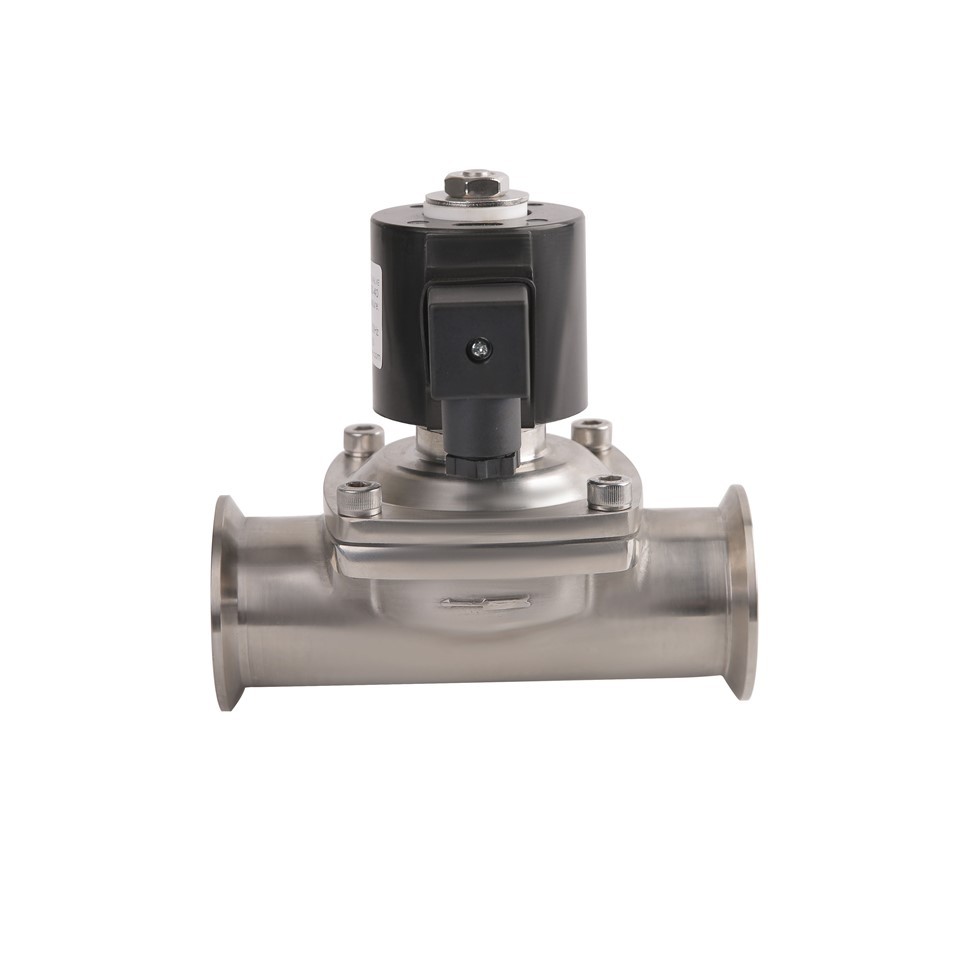

Another factor that affects the noise level is the size of the valve. Generally, larger valves tend to be noisier than smaller ones. This is because larger valves have bigger internal chambers and more fluid flowing through them, which can create more turbulence and noise. For example, a large two-way sanitary clamp solenoid valve might make more noise compared to a smaller one. If you're interested in a Two Way Sanitary Clamp Solenoid Valve, you'll want to consider this when thinking about noise levels.
The pressure of the fluid passing through the valve also plays a significant role. Higher pressure can lead to more noise. When the fluid is under high pressure, it can create a more forceful flow, which can cause vibrations and noise as it passes through the valve. This is similar to how a high-pressure water jet makes more noise than a gentle stream. So, if your application requires high-pressure fluid control, you might experience more noise from the sanitary solenoid valve.
The quality of the valve construction is another important aspect. Well-made valves with high-quality materials and precise manufacturing tend to be quieter. Valves that are poorly constructed or have loose components can rattle and make more noise during operation. It's always a good idea to invest in a high-quality valve from a reputable supplier to minimize noise issues.
Now, let's talk about how to measure the noise level of a sanitary solenoid valve. The noise is usually measured in decibels (dB). A quiet environment might have a noise level of around 30 dB, while a normal conversation is about 60 dB. The noise level of a sanitary solenoid valve can range from around 40 dB to 80 dB, depending on the factors we discussed earlier. For most sanitary applications, a noise level below 60 dB is considered acceptable, as it won't cause significant disruption in the workplace.
If you're dealing with a noisy sanitary solenoid valve, there are a few things you can do to reduce the noise. One option is to install a silencer or a noise-reducing device. These can help dampen the sound waves and make the valve quieter. Another solution is to adjust the operating parameters of the valve, such as the pressure or the flow rate. By optimizing these settings, you can sometimes reduce the noise level without sacrificing the performance of the valve.
In addition to these solutions, proper installation and maintenance of the valve are crucial. Make sure the valve is installed correctly, with all the connections tightened properly. Loose connections can cause vibrations and increase the noise level. Regular maintenance, such as cleaning the valve and checking for any worn-out components, can also help keep the valve running smoothly and quietly.
So, why is it important to consider the noise level of a sanitary solenoid valve? Well, in industries like food and beverage and pharmaceuticals, a quiet working environment is essential. Excessive noise can not only be a nuisance to the workers but can also affect the quality of the products. For example, in a dairy processing plant, loud noise can startle the cows, which can affect milk production. In a pharmaceutical lab, noise can interfere with delicate experiments.
As a supplier of sanitary solenoid valves, I understand the importance of providing valves that meet your specific needs, including noise requirements. We offer a wide range of valves with different noise levels to suit various applications. Whether you need a quiet valve for a sensitive environment or a more robust valve for high-pressure applications, we've got you covered.
If you're in the market for a sanitary solenoid valve and want to learn more about the noise levels or other features, don't hesitate to reach out. We're here to help you find the right valve for your application and answer any questions you might have. You can start a conversation with us to discuss your requirements and get a quote. We're confident that we can provide you with a high-quality, quiet, and reliable sanitary solenoid valve that meets your needs.
In conclusion, the noise level of a sanitary solenoid valve during operation depends on several factors, including the type of valve, its size, the fluid pressure, and the quality of construction. By understanding these factors and taking appropriate measures, you can manage the noise level and ensure a quiet and efficient operation in your sanitary application.
If you're interested in purchasing a sanitary solenoid valve or have any further questions, feel free to contact us. We're looking forward to working with you and helping you find the perfect valve for your needs.
References
- Industry standards for sanitary solenoid valves
- Manufacturer's specifications for different types of sanitary solenoid valves
- Research on noise reduction techniques for industrial valves


