


Balancing valves play a crucial role in various fluid systems, ensuring optimal performance and efficiency. As a leading supplier of balancing valves, I often encounter questions regarding the typical size range of these essential components. In this blog post, I will delve into the topic, providing detailed insights into the size variations of balancing valves and their significance in different applications.
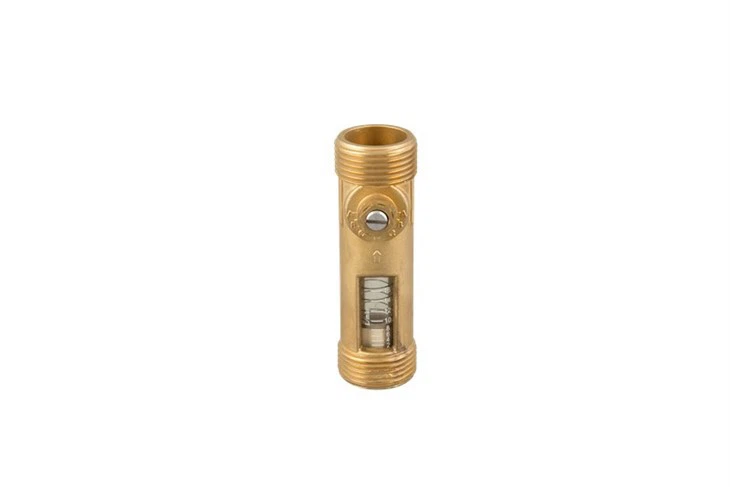

Understanding Balancing Valves
Before discussing the size range, it's important to understand what balancing valves are and how they function. Balancing valves are used in HVAC (Heating, Ventilation, and Air Conditioning) systems, plumbing networks, and industrial processes to regulate the flow of fluids, such as water or refrigerant. By adjusting the flow rate, these valves help maintain a balanced distribution of fluid throughout the system, preventing issues like uneven heating or cooling, pressure imbalances, and inefficient operation.
Factors Influencing the Size of Balancing Valves
Several factors influence the size of balancing valves, including the flow rate requirements, pressure drop limitations, pipe size, and the specific application. Let's take a closer look at each of these factors:
Flow Rate Requirements
The flow rate is one of the primary factors determining the size of a balancing valve. Higher flow rates typically require larger valve sizes to accommodate the increased volume of fluid passing through the valve. For example, in a large commercial building with a high demand for heating or cooling, a larger balancing valve may be needed to ensure sufficient flow to all areas of the building.
Pressure Drop Limitations
Pressure drop refers to the reduction in pressure that occurs as fluid flows through a valve. Balancing valves are designed to minimize pressure drop while still providing accurate flow control. In applications where pressure drop is a critical concern, such as in high-rise buildings or long pipe runs, smaller valve sizes may be preferred to reduce the resistance to flow and maintain an acceptable pressure level.
Pipe Size
The size of the pipe in which the balancing valve is installed also plays a role in determining the valve size. In general, the valve size should be selected to match the pipe size to ensure proper installation and efficient operation. However, in some cases, a slightly smaller or larger valve size may be used to optimize the flow characteristics of the system.
Specific Application
The specific application of the balancing valve can also influence its size. For example, in a residential HVAC system, smaller valve sizes may be sufficient to meet the flow requirements, while in an industrial process with high flow rates and strict control requirements, larger and more robust valves may be necessary.
Typical Size Range of Balancing Valves
The size range of balancing valves can vary significantly depending on the factors mentioned above. In general, balancing valves are available in sizes ranging from 1/2 inch to 12 inches or more. Here is a breakdown of the typical size range for different types of applications:
Residential Applications
In residential HVAC systems, balancing valves are typically available in sizes ranging from 1/2 inch to 2 inches. These smaller valve sizes are suitable for the relatively low flow rates and pressure requirements of residential applications. For example, a 1/2-inch balancing valve may be used in a small apartment or a single-family home, while a 2-inch valve may be used in a larger multi-story house.
Commercial Applications
Commercial buildings, such as offices, hotels, and shopping malls, often require larger balancing valves to handle the higher flow rates and more complex HVAC systems. In commercial applications, balancing valves are commonly available in sizes ranging from 2 inches to 6 inches. These larger valve sizes can provide the necessary flow capacity and control accuracy to ensure efficient operation of the HVAC system.
Industrial Applications
Industrial processes, such as manufacturing plants, power generation facilities, and chemical refineries, typically have the highest flow rates and most demanding control requirements. In industrial applications, balancing valves can be found in sizes ranging from 6 inches to 12 inches or more. These large valves are designed to handle high-pressure and high-flow conditions and are often made of more durable materials to withstand the harsh operating environments.
Our Product Offerings
As a leading supplier of balancing valves, we offer a wide range of products to meet the diverse needs of our customers. Our Z-6200 Series Balancing Valves are available in various sizes, from 1/2 inch to 12 inches, and are designed to provide accurate flow control and reliable performance in a variety of applications.
The Z-6200 Series features a compact design, easy installation, and adjustable flow settings, making it suitable for both residential and commercial HVAC systems. The valves are made of high-quality materials, such as brass or stainless steel, to ensure long-lasting durability and corrosion resistance.
In addition to the Z-6200 Series, we also offer other types of balancing valves, including manual balancing valves, automatic balancing valves, and differential pressure control valves. Our experienced sales team can help you select the right valve size and type for your specific application, ensuring optimal performance and efficiency.
Importance of Proper Valve Sizing
Proper valve sizing is crucial for the efficient operation of a fluid system. Using a valve that is too small can result in restricted flow, increased pressure drop, and inefficient performance, while using a valve that is too large can lead to inaccurate flow control and wasted energy.
To ensure proper valve sizing, it is important to consider the factors mentioned above and consult with a qualified engineer or HVAC professional. They can perform a detailed analysis of the system requirements and recommend the appropriate valve size and type based on the specific application.
Contact Us for Procurement
If you are in the market for balancing valves and need assistance with valve sizing or product selection, please don't hesitate to contact us. Our team of experts is available to answer your questions and provide you with the information you need to make an informed decision.
We understand the importance of providing high-quality products and excellent customer service. That's why we are committed to offering competitive prices, fast delivery, and reliable technical support. Whether you are a contractor, engineer, or facility manager, we can help you find the right balancing valves for your project.
References
- ASHRAE Handbook - HVAC Systems and Equipment. American Society of Heating, Refrigerating and Air-Conditioning Engineers, Inc.
- Fluid Mechanics and Thermodynamics of Turbomachinery. S. L. Dixon and C. A. Hall. Butterworth-Heinemann, 2014.
- HVAC Controls Handbook. William C. Turner. McGraw-Hill Education, 2012.


