


As a supplier of sanitary solenoid valves, I've witnessed firsthand the importance of proper maintenance in ensuring these critical components function effectively and have a long service life. Sanitary solenoid valves are widely used in industries such as food and beverage, pharmaceuticals, and cosmetics, where hygiene and precision are of utmost importance. In this blog, I'll delve into the maintenance requirements for a sanitary solenoid valve to help you keep your operations running smoothly.
Regular Inspection
Regular inspection is the cornerstone of maintaining a sanitary solenoid valve. Visual inspections should be conducted frequently to check for any signs of wear, damage, or leakage. Start by examining the valve body for cracks, dents, or corrosion. These issues can compromise the integrity of the valve and lead to fluid leakage, which can contaminate the process and pose a risk to product quality.
Check the solenoid coil for any signs of overheating, such as discoloration or a burning smell. Overheating can damage the coil and cause the valve to malfunction. Ensure that the electrical connections are secure and free from corrosion. Loose or corroded connections can lead to intermittent operation or complete failure of the valve.
Inspect the valve seat and seal for wear or damage. A worn or damaged seat or seal can cause the valve to leak, resulting in inefficient operation and potential product contamination. If any signs of wear or damage are detected, the seat or seal should be replaced immediately.
Cleaning
Proper cleaning is essential to maintain the hygiene and performance of a sanitary solenoid valve. The frequency of cleaning depends on the application and the type of fluid being handled. In general, valves used in food and beverage applications should be cleaned more frequently than those used in other industries.
Before cleaning the valve, ensure that it is disconnected from the power supply and the fluid source. Use a mild detergent and warm water to clean the valve body, solenoid coil, and other components. Avoid using abrasive cleaners or solvents, as these can damage the valve.
For valves used in applications where there is a risk of microbial growth, such as in the pharmaceutical industry, a more rigorous cleaning process may be required. This may involve using a sanitizing solution or performing a steam cleaning cycle.
After cleaning, rinse the valve thoroughly with clean water to remove any traces of detergent or sanitizing solution. Dry the valve completely before reassembling and reinstalling it.
Lubrication
Some sanitary solenoid valves require lubrication to ensure smooth operation. However, it's important to use the correct type of lubricant and apply it sparingly. Using the wrong lubricant or over-lubricating the valve can cause problems such as clogging or contamination.
Refer to the manufacturer's instructions to determine if your valve requires lubrication and what type of lubricant to use. Apply the lubricant to the moving parts of the valve, such as the stem and the armature, using a small brush or a lubricant applicator.
Testing
Regular testing is necessary to ensure that the sanitary solenoid valve is functioning properly. Testing can help detect any potential issues before they cause a major problem.
One way to test the valve is to perform a visual inspection while it is in operation. Check for any signs of abnormal movement, such as sticking or vibrating. Listen for any unusual noises, such as clicking or humming, which may indicate a problem with the solenoid coil or the valve mechanism.

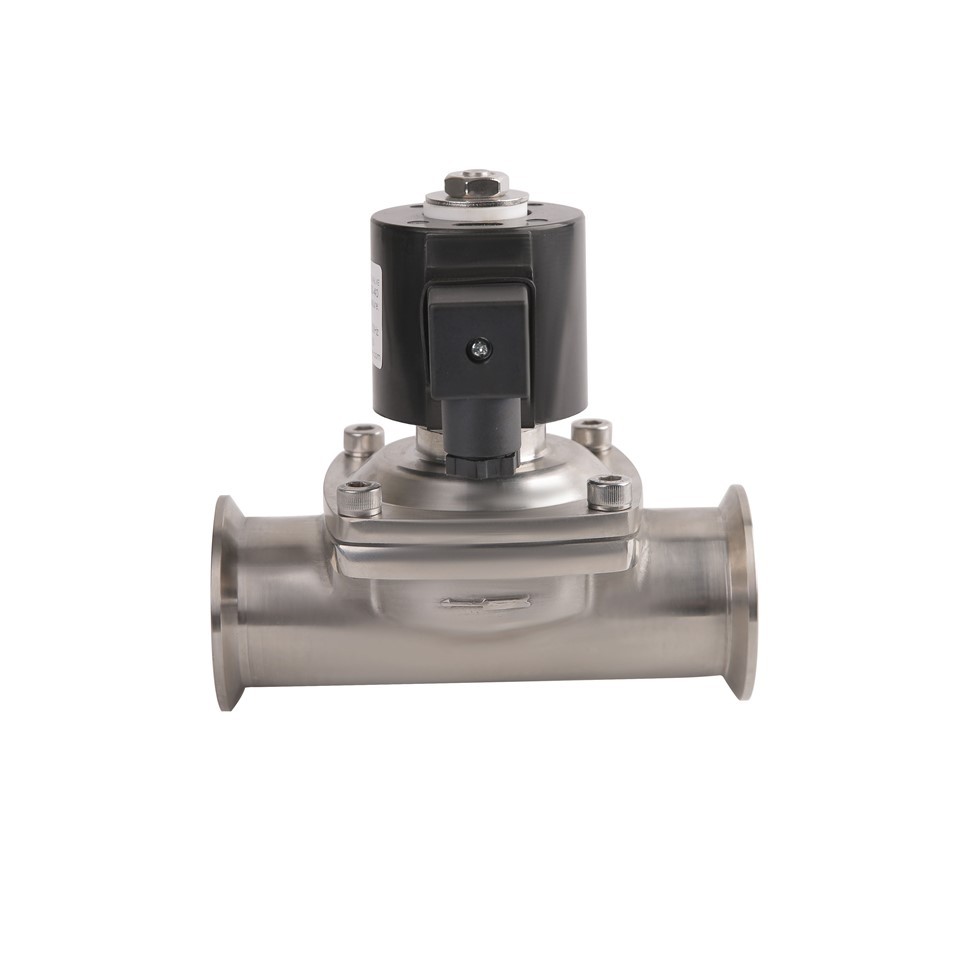
You can also perform a functional test by energizing the solenoid coil and observing the valve's response. The valve should open and close smoothly and completely. If the valve fails to open or close, or if it operates erratically, it may need to be repaired or replaced.
Replacement of Worn Parts
Over time, certain parts of the sanitary solenoid valve may wear out and need to be replaced. Common parts that may need to be replaced include the valve seat, seal, solenoid coil, and diaphragm.
When replacing worn parts, it's important to use genuine parts from the manufacturer. Using non-genuine parts can void the warranty and may cause problems with the valve's performance.
Refer to the manufacturer's instructions for the correct procedure for replacing the parts. In some cases, it may be necessary to disassemble the valve to access the parts. If you're not comfortable performing the replacement yourself, it's recommended to have it done by a qualified technician.
Storage
If the sanitary solenoid valve is not going to be used for an extended period of time, it should be stored properly to prevent damage. Store the valve in a clean, dry place away from direct sunlight and extreme temperatures.
Before storing the valve, clean and dry it thoroughly. Apply a light coat of rust inhibitor to the valve body to prevent corrosion. If the valve has a solenoid coil, wrap it in a protective material to prevent damage.
Conclusion
Proper maintenance of a sanitary solenoid valve is essential to ensure its reliable operation and long service life. By following the maintenance requirements outlined in this blog, you can minimize the risk of valve failure, reduce downtime, and ensure the quality and safety of your products.
If you're in the market for a high-quality sanitary solenoid valve, we offer a wide range of options, including the Two Way Sanitary Clamp Solenoid Valve. Our valves are designed to meet the strictest hygiene and performance standards, and we provide comprehensive support and maintenance services to ensure your satisfaction.
If you have any questions or would like to discuss your specific requirements, please don't hesitate to contact us. We're here to help you find the right solution for your application.
References
- Manufacturer's instructions for sanitary solenoid valves
- Industry standards and guidelines for valve maintenance and cleaning


